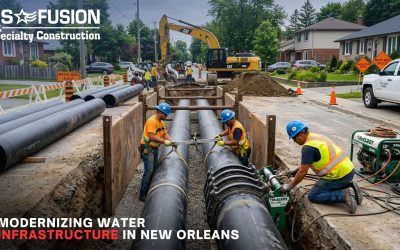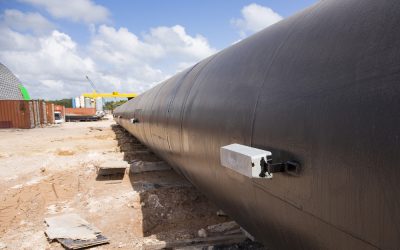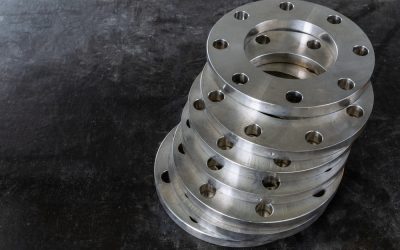
Many HDPE system failures can be traced back not to the pipe itself, but to avoidable installation mistakes—such as improper fusion techniques, poor trench preparation, misalignment, or failing to account for thermal movement. These issues can compromise joint integrity, shorten system lifespan, and lead to costly rework or downtime.
This guide explains the most common mistakes in HDPE pipe installation and how to avoid them. Whether you’re installing pressure piping, conveyance lines, or critical industrial systems, following proven best practices is essential to achieving long-term reliability.
Why Proper HDPE Pipe Installation Matters
HDPE piping systems are engineered for long-term performance, but that performance depends heavily on how the system is installed in the field.
Unlike mechanical piping systems that rely on gaskets or fittings, HDPE systems depend on properly fused joints to create a continuous, leak-free pipeline. When installation steps are rushed, skipped, or performed incorrectly, the integrity of the entire system is at risk.
Improper installation can lead to:
- Joint failures
- Pressure losses
- Failed inspections
- Unplanned downtime
- And more
In industrial and municipal applications, these failures don’t just impact budgets—they can affect safety, regulatory compliance, and operational continuity.
That’s why HDPE pipe installation must be approached as a system-level process, not just a pipe placement task. Fusion quality, trench conditions, alignment, and testing all work together to determine long-term reliability.
This is where experienced installation support makes a measurable difference.
US FUSION offers comprehensive installation services, encompassing on-site fusion, hydrotesting, trenching, backfilling, and trenchless installation techniques. By managing the entire installation process or supporting contractors at critical stages, we help ensure that HDPE systems are installed correctly, thoroughly tested, and ready to perform as designed.
Top 5 HDPE Pipe Installation Mistakes to Avoid
Mistake #1: Improper Fusion Techniques
Fusion is the foundation of any HDPE piping system. When done correctly, it creates a joint that is as strong as (or stronger than) the pipe itself. When done incorrectly, it becomes the most common point of failure in the entire system.
What Goes Wrong:
Improper fusion typically occurs when fusion parameters are not followed precisely. Common issues include:
- Incorrect heating times or temperatures
- Inconsistent or improper fusion pressure
- Contaminated pipe ends due to dirt, moisture, or poor handling
- Worn or poorly maintained fusion equipment
Even minor deviations can result in weak fusion joints that may pass visual inspection but fail under pressure or over time.
Why It Matters:
Industry standards, including the Plastics Pipe Institute (PPI) HDPE pipe installation guidelines, emphasize strict adherence to fusion temperatures, pressures, and alignment to ensure long-term joint integrity.
A single compromised fusion joint can jeopardize the integrity of the entire pipeline. Failures often occur during pressure testing—or worse, after the system is placed into service—leading to costly repairs, delays, and a loss of confidence in the installation.
Because HDPE systems rely on fusion rather than mechanical connections, there is little margin for error. Precision and consistency are critical.
Best Practices to Avoid Fusion Failures:
- Follow manufacturer-recommended fusion procedures and parameters for each pipe size and material
- Ensure pipe ends are clean, properly faced, and aligned before fusion
- Use calibrated, well-maintained fusion machines
- Avoid rushing the heating or cooling cycles
- Verify operator training and experience
Mistake #2: Inadequate Trench Preparation
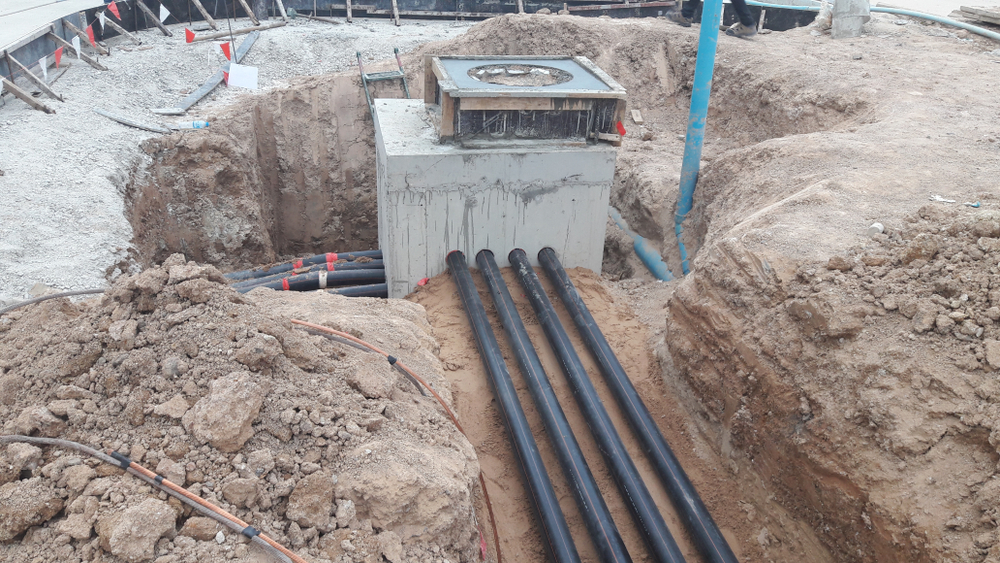
Trench preparation is often overlooked during HDPE pipe installation. Even perfectly fused joints can fail prematurely if the pipe is not adequately supported in the ground.
What Goes Wrong:
Common trench-related issues include:
- Uneven or poorly compacted bedding
- Trenches that are too narrow or inconsistently shaped
- Sharp rocks, debris, or frozen material left in contact with the pipe
- Poor drainage or unstable soil conditions
These problems can create point loads or uneven stress along the pipe, especially once the system is pressurized or subjected to ground movement.
Why It Matters:
HDPE pipe is flexible by design, allowing it to accommodate movement—but only when properly supported. Inadequate trench conditions can lead to deformation, excessive deflection, or concentrated stress on fusion joints.
Over time, this increases the likelihood of joint failure, leaks, or reduced service life.
For industrial and municipal projects, poor trench preparation can also lead to failed inspections and costly rework.
Best Practices for Proper Trench Preparation:
- Excavate trenches to the specified width and depth
- Provide uniform, stable bedding along the entire pipe run
- Remove sharp objects, debris, and oversized material from the trench
- Ensure proper drainage and soil compaction around the pipe
- Follow project specifications and manufacturer recommendations
Mistake #3: Incorrect Handling and Storage of HDPE Pipe
HDPE pipe is tough, but it is not indestructible. Improper handling and storage before installation can introduce damage that weakens the pipe wall or compromises fusion quality.
What Goes Wrong:
Handling and storage issues typically include:
- Dragging pipe across rough or abrasive surfaces
- Improper lifting that causes bending or deformation
- Stacking pipe without adequate support
- Extended exposure to sunlight without protection
- Allowing dirt, moisture, or debris to contaminate pipe ends
These issues often occur during staging or while moving materials around a busy jobsite.
Why It Matters:
Gouges, scratches, and deformation can reduce wall thickness and create stress concentrations. Damage near pipe ends can also interfere with proper fusion, leading to weak joints. Once the system is installed, these problems are difficult (and expensive) to identify and correct.
Best Practices for Handling and Storage:
- Use proper lifting equipment and slings designed for plastic pipe
- Avoid dragging pipe along the ground or across sharp surfaces
- Store pipe on level ground with uniform support
- Protect pipe from unnecessary UV exposure when stored long-term
- Keep pipe ends clean and capped before fusion
Mistake #4: Poor Pipe Alignment During Fusion
Proper alignment is critical during HDPE pipe fusion. Even when the correct temperatures and pressures are used, misaligned pipe ends can result in weak or uneven joints that compromise system performance.
What Goes Wrong:
Alignment issues often occur when:
- Pipe ends are not square or centered in the fusion machine
- Excessive angular deflection is present during fusion
- Pipe is forced into position instead of being properly supported
- Inadequate clamping or fixturing is used
These issues are more common on uneven terrain, in tight trench conditions, or when working with larger-diameter pipe.
Why It Matters:
Misalignment leads to uneven fusion beads and non-uniform material flow at the joint. This can reduce joint strength and increase stress concentrations, especially under pressure or thermal movement.
Best Practices for Proper Alignment:
- Ensure pipe ends are properly faced and squared before fusion
- Use alignment clamps and fusion equipment designed for the pipe size
- Support pipe runs to prevent sagging or movement during fusion
- Verify alignment before initiating the fusion cycle
- Avoid forcing pipe into place
Mistake #5: Failing to Account for Thermal Expansion and Contraction
HDPE pipe expands and contracts with temperature changes more than many traditional piping materials. Failing to account for this movement during installation can place unnecessary stress on the pipe and fusion joints over time.
What Goes Wrong:
Thermal expansion issues typically occur when:
- Temperature changes during installation are ignored
- Long, continuous pipe runs are installed without allowances for movement
- Pipe is overly restrained or backfilled before it has stabilized
- Seasonal temperature swings are not considered in design or installation
These issues are especially common in above-ground installations or projects completed during extreme weather conditions.
Why It Matters:
When HDPE pipe is restrained and unable to move as temperatures change, stress builds within the system. Over time, this stress can lead to joint fatigue, deformation, or failure—particularly at connection points, fittings, or transitions to other materials.
Best Practices for Managing Thermal Movement:
- Account for ambient and operating temperatures during installation
- Allow pipe to reach thermal equilibrium before final backfilling when possible
- Design long runs with expansion considerations in mind
- Avoid unnecessary restraints that prevent natural pipe movement
- Follow the HDPE design and installation guidelines for thermal expansion
FAQs: HDPE Pipe Installation Questions
Q. What is the most common HDPE pipe installation mistake?
A. Improper fusion is the most common mistake. Incorrect temperatures, pressure, alignment, or contaminated pipe ends can all result in weak joints that compromise the entire system. Consistent fusion procedures and experienced operators are essential.
Q. How do you ensure a proper HDPE fusion joint?
A. A proper fusion joint requires clean, properly faced pipe ends, correct alignment, calibrated fusion equipment, and strict adherence to recommended fusion parameters. Adequate heating, pressure, and cooling time are critical to joint integrity.
Q. Can HDPE pipe fail due to poor installation?
A. Yes. While HDPE pipe is highly durable, poor installation can lead to joint failures, deformation, and reduced service life. Most HDPE system failures are installation-related rather than material-related.
Q. Is pressure testing required for HDPE piping systems?
A. Yes. Pressure testing—often through hydro testing—is a critical step to verify joint integrity and system performance before commissioning.
Q. Who should perform hydro testing on HDPE pipe?
A. Hydro testing should be performed by crews experienced with plastic piping systems. HDPE testing requires specialized knowledge to ensure the system is safely tested and meets inspection and regulatory standards.
How US FUSION Helps Contractors Avoid Costly Installation Errors
Avoiding HDPE installation mistakes takes more than following a checklist—it requires experience in the field.
US FUSION helps contractors reduce risk by providing coordinated support across the most critical phases of HDPE pipe installation. From planning through final testing, we work alongside project teams to ensure HDPE systems are installed correctly, efficiently, and to specification.
End-to-End HDPE Installation Support:
US FUSION offers complete installation support, including:
- On-site HDPE fusion performed by experienced technicians
- Hydro testing to verify joint integrity and meet inspection requirements
- Trenching and backfilling completed to project and soil specifications
- Trenchless installation techniques where open trenching isn’t practical
This integrated approach helps eliminate handoff issues that can lead to errors, delays, and rework.
Install HDPE Pipe Right the First Time with US FUSION
HDPE piping systems are built to deliver long-term performance—but only when they are installed correctly.
US FUSION helps make that possible. With experienced fusion technicians, specialized testing capabilities, and full-scope installation support, we’re a trusted partner for contractors who want HDPE systems installed right the first time—without unnecessary risk or rework.
When reliability matters, partnering with US FUSION ensures your HDPE pipe installation is built to perform from day one.