A Guide to Material Compatibility for Industrial Piping Systems

A Guide to Material Compatibility for Industrial Piping Systems

Industrial piping systems transport aggressive chemicals, high-temperature fluids, abrasive slurries, and pressurized media—with minimal margin for error.

Material compatibility in industrial piping systems refers to how well a piping material withstands this work over time. When compatibility is overlooked or evaluated in isolation, the consequences can be costly and dangerous.

Common outcomes of poor material compatibility in industrial piping systems include:

  • Accelerated corrosion or chemical degradation
  • Leaks at joints or along pipe walls
  • Premature system failure and unplanned shutdowns
  • Increased maintenance and replacement costs
  • Safety hazards and environmental compliance risks

This guide breaks down the key factors that determine material compatibility, compares common industrial piping materials such as HDPE, PVC, steel, stainless steel, FRP, and lined systems, and explains how proper material selection helps reduce maintenance risk, extend service life, and protect operations over the long term. 

5 Key Factors That Determine Material Compatibility in Industrial Piping Systems

Selecting the right material for industrial piping systems requires more than matching a pipe to a fluid type. Below are the five most critical factors engineers and facility managers must evaluate to prevent premature failure and performance issues. 

1. Chemical Exposure and Corrosion Potential

Chemical compatibility is often the most crucial factor in selecting piping materials. Acids, bases, solvents, hydrocarbons, and oxidizers all interact differently with metals and plastics, and even small incompatibilities can lead to rapid degradation.

Key considerations include:

  • Type of chemical exposure: Strong acids, caustics, and solvents can aggressively attack certain metals and plastics.
  • Uniform vs. localized corrosion: Some materials experience gradual wall thinning, while others are prone to pitting, cracking, or stress corrosion.
  • Chemical concentration and exposure duration: Higher concentrations and continuous exposure significantly accelerate material breakdown.

Materials like HDPE offer broad chemical resistance across many industrial fluids, while metals often require coatings, liners, or inhibitors to withstand corrosive environments.

2. Temperature and Pressure Requirements

Temperature and pressure must always be evaluated together, as elevated temperatures can significantly reduce a material’s pressure rating.

Important factors include:

  • Continuous vs. intermittent temperatures: Short-term temperature spikes may be acceptable, while continuous high temperatures can cause creep, deformation, or loss of strength.
  • Pressure derating at higher temperatures: Many thermoplastics experience reduced pressure capacity as temperatures increase.
  • Thermal expansion and contraction: Temperature fluctuations can stress joints, supports, and connections (especially in long pipe runs).

Failure to account for temperature-related derating is a common cause of premature piping system failure.

3. Abrasion and Flow Characteristics

Industrial piping systems that convey slurries, solids, or high-velocity fluids often experience internal wear, which can significantly reduce their service life.

Key abrasion-related risks include:

  • Erosion from particulates: Sand, minerals, and other solids can thin pipe walls over time.
  • High flow velocities: Increased turbulence accelerates wear, particularly at bends, fittings, and transitions.
  • Internal surface roughness: Rough surfaces promote erosion and material buildup, increasing pressure drop and wear.

Materials with smooth internal surfaces and high abrasion resistance, such as HDPE, are often preferred in mining, wastewater, and slurry applications.

4. Fluid Composition and pH Levels

Beyond primary chemicals, fluid composition plays a major role in long-term compatibility.

Factors to evaluate include:

  • Low vs. high pH environments: Extremely acidic or alkaline fluids can rapidly degrade incompatible materials.
  • Additives and contaminants: Corrosion inhibitors, cleaning agents, or byproducts may react differently than the base fluid.
  • Process variability: Changes in formulation or operating conditions can expose materials to unexpected chemical stress.

Even materials rated as “compatible” may fail if secondary compounds or fluctuating pH levels are not taken into account.

5. Environmental and External Conditions

External exposure can be just as damaging as internal flow conditions.

Key environmental considerations include:

  • UV exposure and weathering: Some materials degrade when exposed to sunlight unless properly stabilized.
  • Moisture and humidity: External corrosion and material breakdown can occur in wet or coastal environments.
  • Installation conditions: Buried, submerged, indoor, and outdoor installations all present different challenges.

Environmental compatibility is especially important for long-term infrastructure where access for inspection or repair may be limited.

Comparison of Common Materials Used in Industrial Piping Systems

Choosing the right material for industrial piping systems involves balancing chemical compatibility, operating conditions, maintenance demands, and total lifecycle cost. 

Below is a practical comparison of the most commonly specified piping materials, organized to help engineers and facility managers quickly evaluate the best fit for their application. 

Common Materials Used in Industrial Piping Systems

HDPE (High-Density Polyethylene)

Key Strengths

  • Excellent chemical resistance across acids, bases, and industrial fluids
  • Performs well in corrosive and abrasive environments
  • Smooth internal surface reduces friction, scaling, and wear
  • Fusion-joined systems eliminate leak paths
  • Flexible material accommodates ground movement and thermal expansion

Ideal Applications

  • Water and wastewater systems
  • Chemical processing
  • Mining
  • Industrial conveyance
  • Slurry transport
  • Corrosive service lines

Limitations / Considerations

  • Pressure and temperature ratings must be carefully evaluated
  • Not suitable for sustained high-temperature applications beyond material limits
PVC / CPVC

Key Strengths

  • Cost-effective and widely available
  • Easy to install and fabricate
  • Good resistance to many acids, bases, and salts

Ideal Applications

  • Low- to moderate-pressure chemical transfer
  • Water treatment
  • Non-abrasive industrial fluids

Limitations / Considerations

  • Limited temperature tolerance compared to other materials
  • Brittle under impact or cold conditions
  • Joint integrity concerns in high-stress or dynamic environments
Carbon Steel

Key Strengths

  • High pressure and temperature capability
  • Excellent mechanical strength
  • Commonly specified in oil, gas, steam, and energy systems

Ideal Applications

  • High-pressure steam
  • Hydrocarbons
  • Non-corrosive industrial fluids

Limitations / Considerations

  • Highly susceptible to corrosion without coatings or inhibitors
  • Maintenance-intensive in aggressive environments
  • Increased risk of leaks and wall thinning over time
Stainless Steel

Key Strengths

  • Improved corrosion resistance over carbon steel
  • Suitable for a wide range of industrial processes
  • Available in multiple alloys

Ideal Applications

  • Food and beverage processing
  • Pharmaceuticals
  • Chemical handling
  • Clean industrial systems

Limitations / Considerations

  • Corrosion resistance varies by alloy and environment
  • Risk of pitting, crevice corrosion, and stress corrosion cracking
  • Higher upfront material and fabrication costs
FRP (Fiberglass Reinforced Plastic)

Key Strengths

  • Good chemical resistance for many corrosive fluids
  • Lightweight compared to metal piping
  • Lower thermal conductivity than steel

Ideal Applications

  • Chemical processing
  • Scrubber systems
  • Corrosive exhaust 
  • Waste lines

Limitations / Considerations

  • Sensitive to impact damage and UV exposure
  • Performance depends on resin selection and fabrication quality
  • Repairs can be complex and specialized
Lined Piping Systems

Key Strengths

  • Combines steel strength with corrosion-resistant liners
  • Suitable for aggressive chemical services

Ideal Applications

  • High-pressure chemical transport where metallic strength is required

Limitations / Considerations

  • Vulnerable to liner separation, seams, and fitting failures
  • Complex inspection and repair processes
  • Higher system cost and longer lead times

A Summary: Comparison of Industrial Piping Materials

Industrial piping materials vary in chemical resistance, pressure and temperature capability, abrasion resistance, and maintenance requirements. HDPE offers leak-free fusion joints and corrosion resistance, while steel provides high strength, PVC offers cost efficiency, and FRP and lined systems address specialized chemical applications.

How Material Compatibility Impacts Long-Term Performance and Reliability in Industrial Piping Systems

Material compatibility is one of the most significant drivers of long-term performance in industrial piping systems. When compatibility is misjudged, even well-designed systems can fail prematurely.

Service Life and System Longevity

Compatible materials resist chemical attack, thermal degradation, and mechanical wear, allowing piping systems to reach—or exceed—their expected service life.

Incompatible materials, by contrast, experience accelerated corrosion, cracking, or deformation, which shortens their operational lifespan and forces early replacement.

Over time, small compatibility issues compound, resulting in significant system failures.

Leak Prevention and Joint Integrity

Many piping failures occur at joints rather than in straight pipe runs. Material selection has a direct impact on joint performance under pressure, temperature fluctuations, and external stress.

  • Fusion-joined systems reduce the number of potential leak paths
  • Materials that tolerate thermal expansion and contraction place less stress on connections
  • Chemically resistant materials maintain joint integrity longer

Reducing leak risk improves safety, protects surrounding equipment, and helps prevent environmental incidents.

Maintenance Frequency and Inspection Demands

Incompatible materials require more frequent inspection, monitoring, and maintenance to manage corrosion, erosion, or chemical degradation.

Compatible systems offer:

  • Longer inspection intervals
  • Fewer emergency repairs
  • Reduced downtime for maintenance activities

Lower maintenance demand translates directly into improved operational efficiency and reduced labor costs.

Total Cost of Ownership vs. Upfront Material Cost

While some piping materials may have a higher initial cost, compatibility-focused selection often results in a lower total cost of ownership.

Lifecycle cost considerations include:

  • Replacement frequency
  • Maintenance labor and materials
  • Production downtime and lost revenue
  • Risk of secondary damage from leaks or failures

Selecting the least expensive material upfront often leads to higher long-term costs if compatibility is compromised.

Safety, Compliance, and Risk Reduction

Material compatibility plays a critical role in meeting safety and environmental compliance requirements.

Proper material selection helps:

  • Reduce the risk of hazardous chemical exposure
  • Prevent leaks that could trigger regulatory violations
  • Improve overall system safety and reliability

For regulated industries, compatibility is not just a performance issue—it is a compliance requirement.

Common Causes of Material Failure in Industrial Piping Systems

Even well-designed industrial piping systems can fail if material compatibility is not fully understood or properly applied. Understanding these causes helps engineers and facility managers reduce risk and extend system life. 

Chemical Attack and Material Degradation

When materials are exposed to fluids they are not designed to handle, degradation can occur rapidly.

Typical failure mechanisms include:

  • Corrosion in metallic piping
  • Softening, swelling, or embrittlement in thermoplastics
  • Cracking caused by chemical permeation or stress corrosion

Thermal Cycling and Pressure Fatigue

Repeated heating, cooling, pressurization, and depressurization place significant stress on piping materials and joints.

Over time, these conditions can cause:

  • Fatigue cracking
  • Joint loosening or failure
  • Creep or deformation in thermoplastics

Abrasion-Induced Wall Thinning

Applications involving slurries, particulates, or high-velocity flow expose piping systems to continuous internal wear.

Common abrasion-related failures include:

  • Progressive wall thinning
  • Localized erosion at bends, fittings, and transitions
  • Sudden rupture after unnoticed material loss

Improper Material Selection or Specification

Failures often result from materials being selected based on limited criteria, such as pressure rating alone or historical preference.

Common specification errors include:

  • Ignoring chemical concentration or exposure duration
  • Overlooking temperature-related pressure derating
  • Failing to account for future process changes

Installation and Joining Method Failures

Even compatible materials can fail if installation and joining methods are not properly executed.

Failure risks include:

  • Poor joint preparation or alignment
  • Inadequate fusion, welding, or bonding
  • Mismatch between material properties and joining techniques

5 Best Practices for Selecting the Right Material for Industrial Piping Applications

Selecting the right material for industrial piping systems requires a structured, application-specific approach. Following proven best practices helps engineers and facility managers reduce the risk of failure, improve reliability, and ensure systems perform as intended over the long term.

1. Start With a Detailed Chemical Compatibility Review

Begin by evaluating all fluids the system will encounter, not just the primary process media.

Best practices include:

  • Reviewing chemical compatibility charts and manufacturer data
  • Accounting for chemical concentration, temperature, and exposure duration
  • Identifying additives, cleaning agents, and byproducts that may impact material performance

This step alone can eliminate many of the most common causes of material failure.

2. Evaluate Operating Temperature and Pressure Together

Temperature and pressure are interdependent and should never be assessed in isolation.

Key considerations:

  • Confirm continuous and peak operating temperatures
  • Apply pressure derating for elevated temperatures
  • Consider startup, shutdown, and upset conditions

Failing to evaluate worst-case conditions can lead to unexpected deformation or failure.

3. Consider Fusion-Joined vs. Mechanical Joint Systems

Joint design plays a major role in system integrity and leak prevention.

  • Fusion-joined systems reduce leak paths and joint maintenance
  • Mechanical joints may be more susceptible to loosening, corrosion, or gasket failure
  • Material selection should align with the preferred joining method

Joint reliability is particularly crucial in hazardous or corrosive environments.

4. Account for Future Process Changes and Expansion

Industrial systems rarely remain static over their entire service life.

Best practices include:

  • Planning for increased flow rates or pressure
  • Considering changes in chemical formulation or operating temperature
  • Selecting materials with flexibility for future modifications

Designing solely for current conditions can limit system adaptability and increase long-term cost.

5. Engage Material and Application Experts Early

Early collaboration with material specialists can prevent costly redesigns and failures.

Benefits include:

  • Application-specific material recommendations
  • Improved system design efficiency
  • Reduced risk during installation and commissioning

Expert input helps ensure material selection aligns with both operational and business goals.

Why HDPE Is Increasingly Specified for Industrial Piping Systems

Across a wide range of industrial applications, HDPE (High-Density Polyethylene) piping systems are being utilized more than ever. This shift reflects a growing understanding of how material compatibility directly impacts system integrity in demanding environments.

Proven Performance in Corrosive and Abrasive Environments

HDPE offers broad chemical resistance, making it well-suited for systems that handle aggressive acids, bases, and industrial fluids. 

  • Unlike metallic piping, HDPE does not corrode, pit, or scale when exposed to harsh chemicals, significantly reducing degradation over time.
  • In applications involving slurries or particulate-laden flow, HDPE’s abrasion resistance and smooth internal surface help maintain wall thickness and consistent flow performance.

Leak-Free Fusion Joints Improve System Integrity

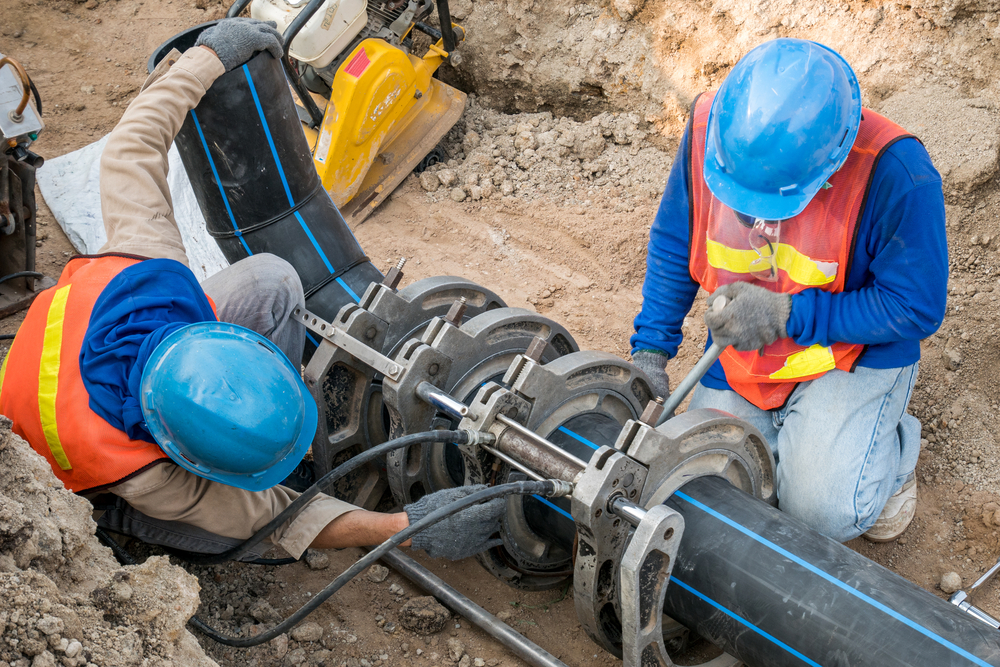
One of the most significant advantages of HDPE piping systems is the use of heat-fusion joining methods. Fusion creates joints that are as strong as (or stronger than) the pipe itself.

Key benefits include:

  • Elimination of gaskets, bolts, and mechanical seals
  • Reduced leak paths throughout the system
  • Improved performance under pressure cycling and thermal movement

Reduced Maintenance and Long-Term Reliability

Because HDPE resists corrosion and chemical attack, systems typically require less inspection, fewer repairs, and minimal ongoing maintenance compared to metal or lined alternatives.

This results in:

  • Lower maintenance labor costs
  • Reduced unplanned downtime
  • Improved operational continuity

Adaptability Across Industrial Sectors

HDPE piping systems are used across a broad range of industries, including:

  • Chemical processing
  • Mining and mineral processing
  • Water and wastewater treatment
  • Power and energy infrastructure
  • Industrial manufacturing

Alignment With Modern Safety and Sustainability Goals

HDPE supports modern industrial priorities by offering:

  • Leak-resistant systems that reduce environmental risk
  • Long service life that minimizes material replacement
  • Lightweight construction that lowers installation energy and emissions

US FUSION: Supporting Smarter Material Decisions in Industrial Piping Systems

As industrial processes become more demanding and reliability expectations increase, material selection is no longer a one-size-fits-all decision. It requires experience, application knowledge, and an understanding of how materials perform in real-world conditions.

US FUSION collaborates with engineers, specifiers, and facility teams to assess material compatibility and design piping systems that ensure long-term performance. By engaging piping specialists early in the process, organizations can reduce risk, improve system integrity, and ensure their piping infrastructure is designed to perform—today and well into the future.

The Pipeline Hydrotesting Procedure Explained

The Pipeline Hydrotesting Procedure Explained

Hydrotesting of pipelines is a critical process for ensuring the integrity and safety of pipelines. This plays a vital role in preventing leaks, failures, and costly disruptions. Hydrotesting verifies a pipeline’s ability to withstand the stress it will face during operation through a high-pressure test. This process helps identify weaknesses, such as cracks or structural issues, that could lead to eventual failure.

Conducting a Step-by-Step Hydrotesting Procedure

It is essential to meet the industry standards set by ASME hydrotest guidelines in order to ensure piplelines perform reliably under pressure. By following a detailed, step-by-step process, US FUSION can assess the structural integrity of pipelines, identify potential issues, and ensure compliance with industry standards.

Below is an outline of the key stages involved in conducting a successful hydrotest, from initial preparations to post-test analysis.

1. Preparation and Safety Checks

The first step in the hydrotesting procedure is ensuring all safety protocols are in place. The system should carefully be checked for cracks, leaks, or weak spots. All materials and components must meet the design specifications and ASME code requirements. Test pressure calculations should be checked to align with ASME hydrotest standards.

 2. Filling the Pipeline

Once safety checks are complete, the pipeline is filled with water from the bottom up. This step ensures that all air pockets are removed, as air could cause inaccurate hydrotest pressure readings or interfere with the test.

3. Gradual Pressurization

The pipeline is gradually pressurized by pumping water into the system. The pressure is slowly increased to the designated hydrotest pressure. Monitoring the pressure increase is essential to avoid sudden pressure spikes that could damage the pipeline or equipment.

4. Stabilizing the Pressure

After reaching the desired hydrotest pressure, the pressure is allowed to stabilize for a set period determined by project requirements. During this time, the pressure gauge is carefully monitored to ensure it remains constant.

5. Leak Detection

The next step is to thoroughly inspect the pipeline for any signs of leaks. If the pressure drops at any time, it may indicate a leak or weakness in the pipeline. If leaks are identified, the pipeline will need to be repaired.

6. Deformation Monitoring

While the pipeline is under pressure, it’s important to monitor for any signs of deformation, such as bulging or movement. These issues can indicate structural weaknesses. If significant deformation is observed, the test may need further investigation.

7. Test Completion and Pressure Reduction

After the test duration is completed and no issues are found, the pressure is slowly reduced to normal levels. The pipeline is then safely depressurized, and the water is drained from the system.

8. Documentation of Results

Once the test is complete, a detailed report is generated. This report includes the test data, such as the hydrotest pressure levels, test duration, any leaks or issues detected, and corrective actions taken. Proper documentation is crucial for regulatory compliance and ensuring that the test was conducted correctly.

9. Post-Test Analysis

The final step involves analyzing the results of the hydrotest to determine whether the pipeline has passed or failed. If any issues were found, repairs or replacements will be necessary before the pipeline can undergo another test. 

Tackling Common Hydrotesting Challenges

Two of the most common hurdles in hydrotesting are managing wastewater and addressing test failures, both of which require specialized solutions. A specialty construction company, such as US FUSION, is equipped to handle these challenges efficiently, ensuring smooth, safe, and compliant testing.

Handling Wastewater

One of the biggest environmental concerns during hydrotesting is the large volume of wastewater generated. After testing, the water used to pressurize the pipeline must be properly disposed of to avoid contamination. US FUSION employs filtration systems to treat and recycle the water, ensuring that it meets environmental standards before disposal.

Dealing with Test Failures

Another challenge is dealing with potential test failures. If a hydrotest identifies leaks, structural weaknesses, or other issues in the pipeline, quick action is needed to prevent delays. US FUSION’s team of experts is trained to identify the causes of failures quickly. Once the problem is identified, they can make repairs and modifications.

Let US FUSION Handle The Pipeline Hydrotesting Procedure

By combining innovative technologies, expertise, and a commitment to environmental and safety standards, US FUSION is able to effectively overcome the common challenges of hydrotesting. With over 35 years of diversified experience in specialty construction, our skilled experts have your back.

Trenchless Pipe Installation: Popular Techniques & Benefits

Trenchless Pipe Installation: Popular Techniques & Benefits

Traditional pipeline installation and repair often present significant challenges. Extensive excavation disrupts surfaces, inflates costs, and has a considerable environmental impact. 

Trenchless pipe installation offers a game-changing solution. By eliminating the need for major digging, trenchless methods are faster, more cost-effective, and eco-friendly, making them the preferred choice for pipeline projects.

At US FUSION, we’re at the forefront of trenchless technology. We’re dedicated to delivering innovative, sustainable, and turnkey solutions tailored to your needs.

What is Trenchless Pipe Installation?

Trenchless pipe installation is a modern technique for installing or repairing pipelines without extensive excavation. Instead of digging large trenches, this approach utilizes specialized methods to access and work on underground systems with minimal disruption.

With its outstanding efficiency and reduced impact on surrounding environments, trenchless technology is becoming the preferred choice for pipe installation. The method preserves landscapes, reduces timelines, and cuts costs, aligning perfectly with the growing demand for sustainable, eco-friendly solutions.

As infrastructure needs evolve, trenchless pipe installation is paving the way for a more efficient and environmentally conscious future in pipeline management.

4 Key Techniques in Trenchless Pipe Installation

1. Directional Drilling

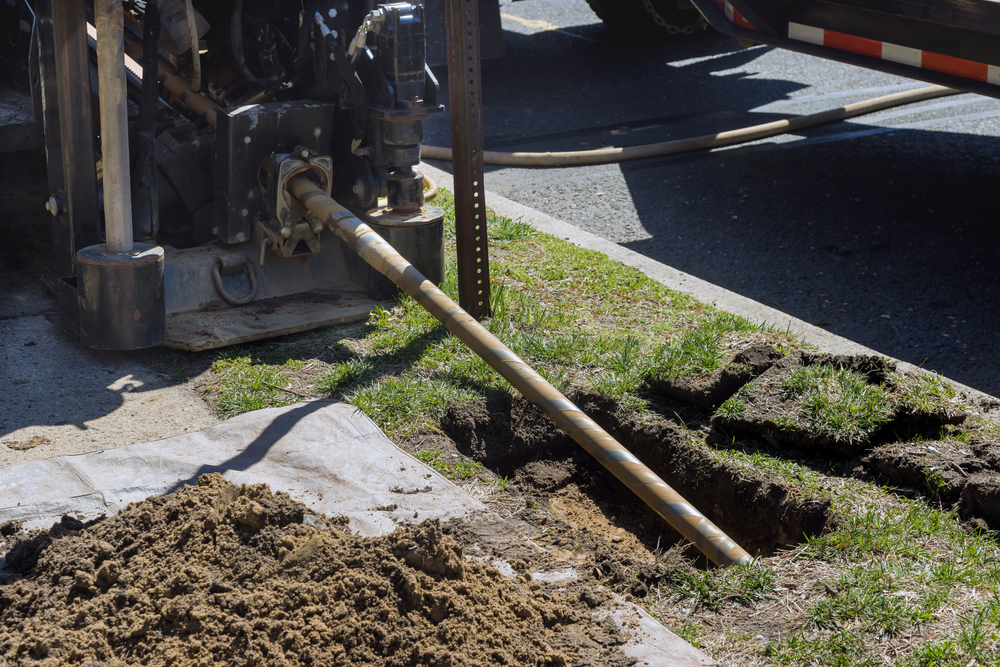
Directional drilling, also known as horizontal directional drilling (HDD), is an advanced trenchless technique that creates a precise underground path for new pipelines. Drilling horizontally eliminates the need for traditional excavation.

Advantages:

  • Minimal impact on the surrounding landscape, preserving roads and natural features.
  • Highly effective in navigating rugged terrains and densely populated urban environments.
  • Reduces project costs and timelines by avoiding large-scale digging.

Best Applications

  • Installing pipes beneath roads, rivers, or environmentally sensitive areas where surface disruption must be avoided. 

2. Sliplining

Sliplining involves inserting a smaller-diameter pipe into an existing, damaged pipeline to restore its functionality. This technique is particularly effective for repairing long, continuous pipeline sections.

Advantages:

  • Cost-effective for large-scale repairs.
  • Quick and straightforward to install, reducing project timelines.
  • Provides reliable protection against leaks and further damage.

Best Applications

  • Commonly used for water, sewer, or other utility pipelines that extend over long distances.
  • Applications where preventing leaks and maintaining durability are the primary goals.

3. Pull-in-Place Lining

Pull-in-place lining is a trenchless method to pull a pre-manufactured liner through the existing pipeline. Once in position, the liner is expanded and secured using heat or pressure to form a durable internal lining.

Advantages:

  • Uses corrosion-resistant materials, making it perfect for harsh industrial environments.
  • Provides a long-lasting solution with a robust new internal pipeline.
  • Minimizes surface disruption, making it suitable for urban or sensitive locations.

Best Applications

  • Ideal for pipes with weakened structural integrity that don’t require complete replacement.

4. Cured-in-Place Lining (CIPP)

Cured-in-place lining (CIPP) is a trenchless method that inserts a flexible liner coated with resin into the existing pipe. Once positioned, the liner is cured using heat, steam, or UV light. This creates a durable, seamless pipe within the old one.

Advantages:

  • Minimal surface disruption during installation.
  • Restores pipelines to full functionality with a lifespan of 50+ years.
  • Suitable for various pipe sizes and complex systems.

Best Applications:

  • Ideal for pipes with cracks, corrosion, or root damage.
  • A reliable choice for industries requiring long-lasting, efficient repairs with minimal impact on operations.

The Benefits of Trenchless Pipe Installation

Trenchless pipe installation offers numerous benefits, making it a preferred choice for modern pipeline projects. Some of the most noteworthy advantages include: 

  • Reduced Surface Disruption:
    Traditional methods often require large trenches and disrupt roads, landscapes, and urban infrastructure. Trenchless techniques preserve these areas.
  • Faster Timelines:
    Since extensive excavation is not required, trenchless projects are completed with less downtime and minimal service interruptions. This keeps industries and municipalities running smoothly.
  • Cost Savings:
    Trenchless methods significantly lower labor and material costs by eliminating the need for heavy excavation equipment and surface restoration.
  • Eco-Friendly:
    Reduced digging means fewer emissions from heavy machinery and less waste from excavated materials. This environmentally conscious approach supports sustainability goals and reduces the overall project footprint.

Partner with US FUSION for Your Trenchless Solutions

At US FUSION, we bring over 35 years of expertise in delivering innovative, turnkey solutions tailored to your unique needs. From CIPP to directional drilling, our team is equipped to handle every aspect of your trenchless pipe installation project.

Contact US FUSION today to discuss your trenchless pipe installation needs and learn how we can help with your next project!

Innovations in Underground Pipe Repairs: A Look at Trenchless Technologies

Innovations in Underground Pipe Repairs: A Look at Trenchless Technologies

Underground pipe repairs have long been a challenge for industrial facilities, municipalities, and utilities. Fixing damaged pipelines involved significant excavation, disruption to the surrounding area, and lengthy project timelines. 

Fortunately, innovations in trenchless technology have revolutionized the way these repairs are conducted, offering efficient, cost-effective, and environmentally friendly alternatives to the older, more invasive methods.

The Need for Modern Pipelining Techniques

As underground infrastructure ages, the demand for reliable and sustainable pipe repair solutions grows. Corrosion, cracks, leaks, and tree root intrusions are common problems in aging pipe systems, making it essential to address repairs promptly to avoid more extensive damage. 

However, traditional excavation methods are not only costly but also environmentally disruptive. Digging up streets, parking lots, green spaces, or industrial facilities to repair pipes creates a massive environmental footprint, leading to increased emissions, noise pollution, and waste.

Trenchless innovations address these challenges head-on by eliminating the need for extensive digging. Using advanced pipelining technology, companies can restore and repair underground systems with minimal surface disruption. This evolution is transforming how industries manage their infrastructure while helping meet sustainability goals.

What Is Trenchless Technology?

Trenchless technology refers to methods used to install or repair pipelines without significant excavation. These techniques have gained popularity for their ability to reduce downtime, labor, and environmental harm, while also preserving the surrounding landscape.

5 Trenchless Pipe Innovations

There are now a few key innovations in trenchless technology, each with its advantages and disadvantages. 

1. Cured-in-place Pipe

Cured-in-place pipe (CIPP) is one of the most commonly used trenchless pipelining techniques. This method involves inserting a flexible liner coated with resin into the existing damaged pipe. Once in place, the liner is cured using heat, UV light, or steam, hardening it and forming a new pipe within the old one. 

CIPP is particularly useful for repairing pipes that have cracks, corrosion, or root intrusion, and it can be applied to both small- and large-diameter pipes.

Advantages of CIPP 

CIPP is often favored because of its ability to restore pipelines to their original flow capacity while offering a lifespan of 50 years or more. For industries focused on longevity and minimal downtime, this innovation is a game-changer. CIPP also offers: 

  • Minimal disruption to the surrounding environment
  • Reduced repair time compared to traditional excavation
  • Suitable for complex piping systems, including those with bends and diameter changes

2. Pipe Bursting

Pipe bursting is a trenchless method that involves fracturing an existing pipe while simultaneously pulling a new pipe into place. The process begins with inserting a bursting tool into the damaged pipe, which breaks the old pipe into fragments as the new pipe is drawn into the void left behind. 

Pipe bursting is often used for replacing brittle materials such as clay, concrete, and cast iron.

Advantages of Pipe Bursting 

Pipe bursting is ideal for situations where the pipeline is beyond repair or if a large-diameter pipe is required to handle increased flow. Pipe bursting also offers: 

  • Increased pipe size if needed, allowing for improved capacity
  • No need to remove the existing pipe material, reducing waste
  • Can be applied in both residential and industrial settings

3. Sliplining

Sliplining is a technique in which a new, smaller-diameter pipe is inserted into the existing, damaged pipe. Although it reduces the internal diameter of the pipe slightly, it still effectively restores the pipe’s functionality. 

Sliplining is primarily used for restoring long sections of pipelines, such as those found in water, gas, or sewer systems.

Advantages of Sliplining

While sliplining may reduce pipe capacity, it remains a viable option for certain applications where maintaining flow rates is less critical, and preventing leaks or further damage is the primary objective. Sliplining is:

  • Simple and cost-effective
  • Recommended for repairing long, continuous stretches of pipe

Download our sliplining capabilities brochure >>

4. Directional Drilling

Directional drilling (also known as horizontal directional drilling or HDD) is an advanced trenchless technique used to install new pipes or utility conduits beneath the surface without significant excavation. 

Directional drilling is ideal for installing pipes under roadways, rivers, or environmentally sensitive areas, making it a go-to choice for projects that require careful consideration of natural surroundings.

Advantages of Directional Drilling

Directional drilling is a critical trenchless innovation for modern infrastructure projects, as it reduces the need for costly and disruptive digging while delivering pinpoint accuracy in pipe placement. Directional drilling also offers: 

  • Precise installation of new pipelines
  • Ideal for navigating difficult terrain, such as underwater bodies or urban environments
  • Avoidance of large-scale surface disruption and environmental impact

5. Pull Lining

In this technique, a pre-manufactured liner is pulled through the existing pipe to form a new internal lining. The liner is usually made from materials such as polyethylene or other thermoplastics, providing a strong and durable replacement pipe inside the existing one. After insertion, the liner is expanded to fit tightly against the host pipe, often with the assistance of pressure or heat.

Pull lining is an excellent option for rehabilitating pipelines that may have lost structural integrity but do not require a full replacement.

Advantages of Pull Lining

Like other trenchless methods, pull lining minimizes the need for digging, making it suitable for urban areas or locations where surface disruption must be avoided. Pull lining also offers: 

  • Corrosion-resistant materials like polyethylene, which are ideal for industrial applications where harsh chemicals and aggressive environments are present
  • A new pipeline lifespan of 50 years or more, ensuring long-term performance and reliability

Environmental and Economic Benefits of Trenchless Pipelining Technology

The shift to trenchless technology offers many benefits, particularly for companies that prioritize sustainability and efficiency. Here’s how these innovations impact both the environment and the bottom line:

  1. Minimal Environmental Disruption: Trenchless repairs significantly reduce the need for excavation, minimizing damage to landscapes, green spaces, and local ecosystems. This is especially important for projects in urban areas or environmentally sensitive locations.
  2. Reduced Carbon Footprint: By reducing heavy equipment use, trenchless innovations lower emissions associated with transportation, excavation, and material disposal.
  3. Cost Efficiency: Trenchless methods often require less labor, equipment, and time, resulting in lower project costs compared to traditional methods. The reduced need for surface restoration also cuts costs post-repair.
  4. Quicker Project Completion: Trenchless techniques often allow for faster repairs, reducing downtime and service interruptions.
  5. Improved Safety: Reducing open trenches and heavy equipment on-site enhances worker and public safety, a major concern for any industrial or municipal project.

Contact Us for Start-to-finish Trenchless Pipe Repair Services

As the demand for sustainable, efficient underground pipe repair grows, trenchless innovations and pipelining technology will continue to shape the future of infrastructure maintenance. Techniques like CIPP, pipe bursting, sliplining, and directional drilling are not only preserving the integrity of underground systems but are doing so with minimal environmental impact. By embracing these technologies, industries can ensure their operations remain efficient, cost-effective, and eco-friendly for years to come.

At US FUSION, we’re at the forefront of these advancements, ensuring that you have access to the latest underground pipe repair solutions. We’re equipped to handle all of the trenchless pipe repair techniques, no matter the complexity of your project. Give us a call or contact us online to get started.

Choosing the Right HDPE Pipe Size: Factors, Considerations, and Applications

Choosing the Right HDPE Pipe Size: Factors, Considerations, and Applications

High-Density Polyethylene (HDPE) pipes are a cornerstone in modern piping systems, known for their durability, flexibility,leak free joints and resistance to corrosion. As you embark on your next project, the intricacies of selecting the correct HDPE pipe size can be crucial for operational efficiency and cost-effectiveness. Whether you’re working on a firewater , municipal water supply, industrial fluid transport, or irrigation systems, understanding the varying dimensions and capabilities of HDPE pipes will ensure your infrastructure is built to last. Dive into the world of HDPE pipes with us as we guide you through the essentials of sizing for your specific applications.

Understanding Standard HDPE Pipe Sizes & Dimensions

For professionals working on infrastructure projects, understanding the standardized dimensions of HDPE pipes is critical for ensuring compatibility and efficiency. 

A standardized chart depicting HDPE pipe sizes serves as a guide for project planning and execution. These charts typically list the nominal pipe size (NPS) or outside diameter (OD) with corresponding wall thicknesses, which are critical for determining the pipe’s capacity and strength.

(should we put a link to the chart that is on our website right here for easy access ?) 

Commonly Used HDPE Pipe Sizes

  • 1/2 inch – Utilized mainly for small-scale residential water supply.
  • 1 inch – Often employed in agricultural irrigation systems.
  • 2 inches – Common in both residential and commercial settings for various uses.
  • Up to 24 inches or larger – Suitable for firewater, municipal water and waste management systems.

These sizes indicate the versatility of HDPE pipes, catering to a myriad of needs from minor applications to large-scale municipal projects.

Understanding HDPE Pipe Sizes for Optimal Applications

When selecting the right High-Density Polyethylene (HDPE) pipe for your project, understanding the various sizes and their applications is essential. HDPE pipes are known for their durability and versatility, making them the go-to choice for a wide range of uses in the industrial, municipal, and agricultural sectors.

Common HDPE Pipe Sizes and Their Applications

  • Small Diameter Pipes (20mm to 32mm): These smaller sizes are often used for micro-irrigation systems, as service lines for residential water supply, and for fiber optic cable protection. They are popular in landscape irrigation and for the distribution of drinking water to individual points of use.
  • Medium Diameter Pipes (50mm to 110mm): Medium range HDPE pipes are perfect for larger irrigation systems, municipal water supply, sewerage, and drainage systems. They are widely utilized in urban and rural potable water supply lines and as main sewers in community drainage.
  • Large Diameter Pipes (above 110mm): The larger diameter pipes are typically employed in high-demand situations such as firewater, municipal water mains, industrial effluent conduits, and stormwater drainage systems. They are also used in outfall lines for wastewater treatment plants and as conduits for larger cables.

Each size category is designed keeping in mind the requirements of pressure, flow rate, and environmental factors of the intended application. By matching the correct HDPE pipe size to its use, engineers and contractors can optimize performance and extend the lifespan of their piping systems.

How Dimension and Diameter are Interrelated in HDPE Pipes

Dimension and diameter are interrelated concepts in the context of HDPE pipes. The inside diameter dictates the flow capacity of the pipe, while other dimensions such as wall thickness contribute to the pipe’s pressure rating and overall strength. Understanding these relationships is crucial when selecting the appropriate pipe size for your specific requirements.

Understanding the Critical Role of SDR in HDPE Pipe Selection

The term Standard Dimension Ratio (SDR) is a crucial concept in HDPE pipe engineering, denoting the ratio of the pipe’s outside diameter to its wall thickness. Understanding SDR is essential because it directly affects the pipe’s ability to handle pressure and flow rates. Moreover, a lower SDR signifies a thicker wall, equipping the pipe to endure higher pressures, which is pivotal for safe and efficient fluid transport.

SDR can be determined by dividing the outside diameter of the pipe by the wall thickness. The result of this calculation gives you the SDR, which is a dimensionless number. This simple yet powerful formula helps engineers and installers to categorize pipes based on their pressure handling abilities and ensures that the correct type of pipe is used for each unique application.

  • Example: If an HDPE pipe has an outside diameter of 8in and a wall thickness of 0.4in, the SDR is 20 (8in ÷ 0.4in). 

The SDR value of an HDPE pipe directly correlates with its maximum safe operating pressure. As stated earlier, pipes with lower SDR values are able to withstand higher pressures, which is a vital consideration in the selection process for projects that involve high pressure or critical applications. Choosing a pipe with an inappropriate SDR could lead to system failure, safety risks, and costly repairs.

How to Choose the Right HDPE Pipe Size

Choosing the correct HDPE pipe size is critical for the success and efficiency of any piping system. The decision-making process involves considering several factors that impact the pipeline’s performance and longevity. Below, we outline how to navigate these considerations to ensure optimal functionality.

HDPE pipe selection is not a one-size-fits-all situation. Depending on the unique aspects of your project, a variety of elements will guide your decision:

  • Flow Velocity: It is essential to maintain flow velocity within suitable limits to prevent issues such as erosion or sedimentation.
  • Flow Volume: The volume of fluid that must pass through the pipe during a unit of time directly impacts diameter selection.
  • Application Specifics: Tailor your pipe size choice to the particular needs of its application, whether for municipal, industrial, or other uses.

Understanding how the HDPE pipe will be used, the anticipated flow rates and the pressure requirements are crucial. For instance, high-pressure applications might require a pipe with a greater wall thickness to withstand the internal stresses, while a lower-pressure, high-flow system might prioritize diameter size to minimize friction loss.

A Step-by-Step Approach to Selecting the Correct Pipe Dimension

Selecting the appropriate HDPE pipe size requires a methodical approach. Follow these steps:

  1. Assess the Application: Determine the pipe’s intended use, including environmental factors and service conditions.
  2. Calculate Flow Rates: Use industry-standard calculations or software to estimate the peak and average flow rates.
  3. Understand Pressure Needs: Identify the pressure rating needed based on system demands.
  4. Refer to SDR: Check the standard dimension ratio to find a pipe that can handle the required pressure.
  5. Consider Future Expansion: Account for potential system upgrades or expansions that may increase demand.

Selecting the right HDPE pipe size is a delicate balance between numerous technical specifications and practical requirements. However, with careful consideration and accurate calculations, you can ensure the size of the pipe you choose will serve your needs effectively and efficiently.

Key Factors Influencing HDPE Pipe Size Selection

Selecting the correct HDPE pipe size is crucial for system efficiency, durability, and cost-effectiveness. There are various factors to evaluate when deciding on the appropriate pipe dimensions for your project. Understanding these aspects will ensure optimal performance and compatibility throughout your piping system.

Pipe Flow Requirements

The anticipated flow rate or volume of the fluid being transported is one of the primary determinants in pipe size selection. A pipe that is too small can restrict flow, causing pressure loss and potential blockages, while an overly large pipe may lead to unnecessary expense and reduced system efficiency. HDPE flow rates are calculated using the Hazen-Williams equation. Flow rates for HDPE systems are much higher than other pipe systems with the same diameter.  Calculating the required flow rate ensures that your selection matches the system’s needs for both immediate and future demands.

Pressure Rating

The system’s operating pressure is critical in specifying the proper pipe size. HDPE pipes are available in various pressure ratings, and choosing the correct rating ensures that the pipe has the appropriate wall thickness and diameter to withstand the system’s internal pressure. Temperature should also be known and used when calculating pressure ratings.  This consideration is especially crucial for applications that involve high-pressure fluids.

Project Scope

The scale and scope of the project also play a significant role in size selection. Larger projects may require pipes with greater diameters to efficiently distribute fluids over long distances. Furthermore, factors such as terrain difficulty, the potential for environmental stress, and the installation environment should influence the pipe size to ensure a successful, lasting application.

Material Compatibility

Lastly, it is essential to ensure the selected HDPE pipe sizes are compatible with existing or planned fittings, connectors, and other system components. Compatibility with system hardware helps prevent leaks, maintains the integrity of the connection points, and facilitates ease of maintenance and repairs throughout the life of the pipeline.

Securing Success with the Right HDPE Pipe Size

We’ve underscored the importance of understanding the various dimensions and specifications that define these durable and versatile pipes. Choosing the correct HDPE pipe size is not just a matter of economics; it’s about ensuring efficiency, longevity, and operational success for your projects.

From the importance of the Standard Dimension Ratio (SDR) to the critical pressure ratings, each aspect plays a pivotal role in determining the right fit for your application. Keep in mind the wider scope of applications that HDPE pipes cover, from municipal water supply to industrial waste management, and the role that precise sizing plays in each.

Action Steps to Selecting Ideal HDPE Pipe Sizes

  • Review the project’s requirements in terms of flow, pressure, and application demands.
  • Consult the HDPE pipe size charts and material specifications we’ve discussed to match those needs.
  • Account for external factors, including environmental considerations and installation parameters.
  • Engage with professional advice to validate your selection and adapt as necessary for optimal results.

Armed with this knowledge and the actionable steps outlined, you are well-equipped to make informed decisions when selecting HDPE pipe sizes for your projects. Your attention to detail in this selection process will go a long way in ensuring the efficiency, safety, and cost-effectiveness of your piping systems. 

The Advantages of Double Wall HDPE Pipe Systems

The Advantages of Double Wall HDPE Pipe Systems

Understanding the Advantages of HDPE Double Wall Pipes

When it comes to industrial and construction applications, pipe selection is critical for ensuring long-term performance and reliability. High-Density Polyethylene (HDPE) has emerged as a material of choice due to its remarkable attributes, such as high impact resistance, flexibility, and corrosion resistance. But what takes HDPE to the next level in piping solutions? The answer lies in the innovative construction of HDPE double wall pipes.

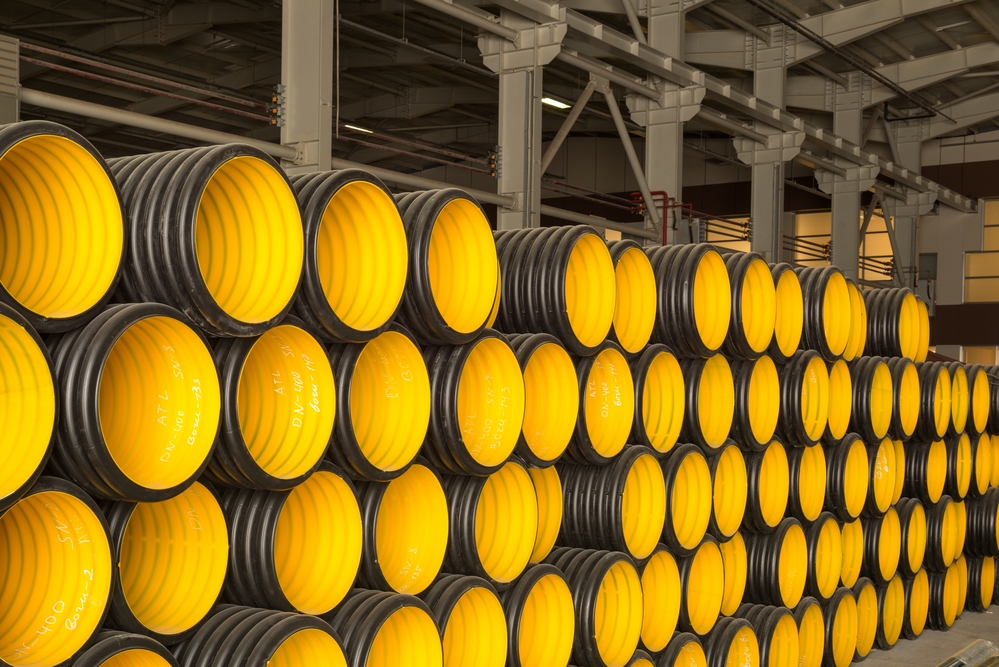
These robust conduits consist of two layers—an internal smooth wall for optimal flow and an external corrugated wall that offers additional structural strength. This dual construction not only ensures durability under various conditions but also provides extra protection against physical damage and chemical corrosion. In contrasting the single wall vs. double wall HDPE pipes, the latter stands out for its improved performance in handling severe environmental stresses, making it an ideal choice for demanding applications such as sewage and drainage systems.

Discover the Advantages of HDPE Double Wall Pipes

The utilization of HDPE double wall pipes is rapidly increasing in numerous industrial and infrastructural applications. These pipes boast an array of benefits that provide them with a competitive edge over traditional piping systems. Here, we delve into the distinctive advantages that make HDPE double wall pipes a preferred choice for many professionals.

Enhanced Durability and Longevity

HDPE double wall pipes are synonymous with strength and resilience. Their unique design combined with the robust material significantly extends the lifespan of the pipeline. This reduces the need for frequent replacements and the overall cost of ownership.

Superior Corrosion Resistance

Corrosion can compromise the integrity of a piping system, leading to leaks and environmental damage. HDPE pipes are inherently resistant to rust and other forms of corrosion, ensuring a secure and long-lasting piping solution.

Excellent Chemical Resistance

These pipes withstand exposure to a wide range of chemicals, making them ideal for industrial applications where harsh substances are common. The chemical resistance of HDPE conserves the quality of the conveyed materials and the surrounding environment.

High Flexibility and Impact Strength

HDPE double wall pipes can withstand ground movements and pressure fluctuations without sustaining damage. This feature is particularly beneficial in earthquake-prone areas or where ground conditions are unstable.

Easy Installation and Maintenance

The lightweight nature of HDPE double wall pipes simplifies handling and installation processes. Moreover, their joint integrity and low maintenance nature contribute to long-term savings.

Environmental Benefits

Alongside their robustness, HDPE pipes support environmental sustainability. They are often manufactured from recyclable materials and have a lower environmental footprint during production and disposal phases.

Exploring the Versatile Applications of HDPE Double Wall Pipes

High-Density Polyethylene (HDPE) double wall pipes are renowned for their strength, durability, and corrosion resistance, making them ideal for a vast range of applications. Each use case leverages the unique qualities of HDPE to provide reliable, long-lasting solutions across various industries. Below, we explore some of the key applications of HDPE double wall pipes.

Drainage and Sewer Systems

HDPE double wall pipes are extensively used in municipal drainage and sewer systems due to their smooth inner wall, which minimizes friction and facilitates better flow of wastewater. Their resistance to various chemicals ensures that sewage is transported without risk of pipe degradation or leakage.

Stormwater Management and Culverts

In the realm of stormwater management, these pipes serve as efficient conduits, directing excess water through underground culverts. This prevents flooding and soil erosion, safeguarding infrastructure and protecting ecosystems.

Industrial Piping Solutions

The industrial sector benefits greatly from HDPE double wall pipes as they are used for transferring various chemicals, sludge, and waste. Their robustness and inert nature make them a safe choice for transporting potentially hazardous materials.

Agricultural Applications

  • Irrigation Systems: Farmers rely on HDPE pipes for effective irrigation, taking advantage of their leak-proof design to prevent water wastage and ensure consistent delivery to crops.
  • Water Transportation: These pipes are also used to transport clean water to remote areas of farmland, providing a dependable supply for both crops and livestock.

Landfill and Containment Systems

HDPE double wall pipes also play a crucial role in environmental protection through their use in landfill and containment systems. Their high resistance to pollutants prevents them from permeating into the surrounding soil and groundwater, preserving the integrity of the environment.

Sealing the Deal: Why HDPE Double Wall Pipes Are the Future

Throughout this exploration of HDPE double wall pipes, we’ve delved into the many facets that make this piping solution stand out in the modern construction and infrastructure landscape. 

  • Unmatched durability and a long lifespan that reduce the need for frequent replacements.
  • Adaptability in various environments due to their resistance to chemicals and corrosion.
  • Cost-effective installation and maintenance, saving resources over the long-term.
  • Environmental sustainability, thanks to their recyclable nature, aligning with eco-friendly building practices.

The Power of HDPE in Modern Applications

The advantages of HDPE double wall pipes shine in contemporary applications. From municipal sewage systems to industrial waste management, these pipes offer a reliable and efficient way to manage fluids. Their inherent design, featuring a smooth inner wall and a robust outer wall, provides a unique combination—optimizing flow while safeguarding against external impact.

The Evolving HDPE Double Wall Piping Landscape

The landscape of HDPE double wall piping is constantly evolving, driven by technological advancements and a growing recognition of its benefits. Innovations like improved jointing techniques and enhanced material formulations are setting new standards in the industry, ensuring that HDPE remains at the forefront of piping solutions.

Choosing Your Piping Wisely: Custom Fabrication

When faced with the critical decision of selecting the appropriate piping for your project, considering HDPE double wall pipes is more than just a choice—it’s an investment in the future. Custom-fabricated solutions offer enhanced containment capabilities, ensuring safety and reliability across various industries. By tailoring the design and construction of HDPE double wall pipes to specific needs, these solutions can effectively contain and transport fluids, chemicals, and waste materials without compromising integrity. 

From reinforced joints to specialized coatings, custom-fabricated HDPE double wall pipes provide an added layer of protection, making them ideal for demanding applications where containment is paramount. Explore how tailored solutions can elevate your piping system’s performance and reliability, ensuring peace of mind in even the most challenging environments.