
Specialty Construction Blog
Welcome to the specialty construction blog from US Fusion, where we share practical insights on piping systems, containment, and field execution. This specialty construction blog highlights safety standards, performance strategies, and proven solutions drawn from real-world projects. As part of the broader industrial construction blog landscape, our specialty construction blog also delivers valuable industrial construction resources for engineers and project leaders managing complex infrastructure work.
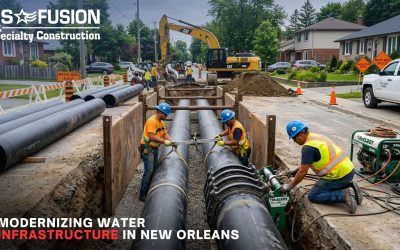
Tired of Boil Water Advisories? New Orleans’ Water Main Crisis Has a 100-Year Solution
US FUSION Highlights HDPE Pipeline Technology as Cities Confront Aging Water Infrastructure NEW ORLEANS, March 12, 2026 — Residents of New Orleans are once again confronting the consequences of aging water infrastructure following the recent rupture of a 48‑inch water...
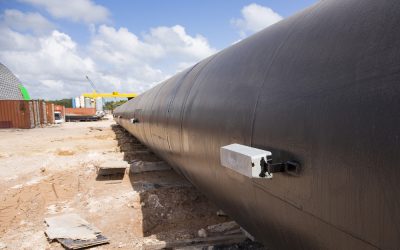
Understanding Cathodic Corrosion Protection for Underground Infrastructure
Underground infrastructure is designed to last for decades—but corrosion remains one of the leading causes of premature failure in buried and submerged metal systems. Soil chemistry, moisture, stray electrical currents, and dissimilar metals all contribute to ongoing...
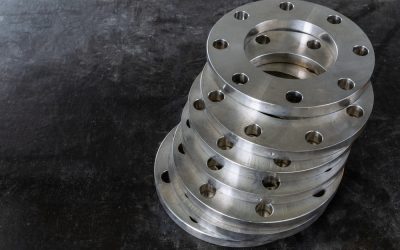
When to Use Flanged Connections in HDPE Systems
High-density polyethylene (HDPE) piping systems are most often joined using heat fusion—a method that creates a continuous, leak-free pipeline with long-term reliability. However, fusion is not always the right or practical solution for every connection point....

A Guide to Material Compatibility for Industrial Piping Systems
Industrial piping systems transport aggressive chemicals, high-temperature fluids, abrasive slurries, and pressurized media—with minimal margin for error. Material compatibility in industrial piping systems refers to how well a piping material withstands this work...
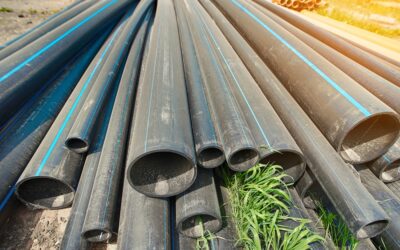
5 HDPE Pipe Installation Mistakes to Avoid: Contractor Guide
Many HDPE system failures can be traced back not to the pipe itself, but to avoidable installation mistakes—such as improper fusion techniques, poor trench preparation, misalignment, or failing to account for thermal movement. These issues can compromise joint...
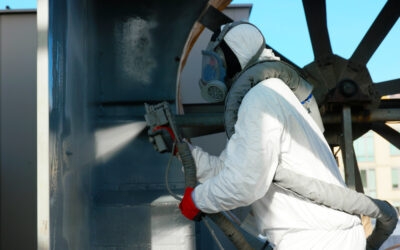
Getting Polyurea Right: 7 Key Factors for a Successful Containment Installation
Polyurea is a proven choice for chemical and industrial containment, but its performance depends entirely on how well it’s installed. Even the highest-quality polyurea spray system can fail prematurely when surface prep, environmental conditions, or application...
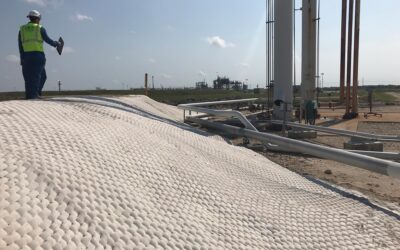
When to Use Concrete Canvas for Slope Protection and Erosion Control
Protecting slopes and controlling erosion are important tasks in construction and civil engineering projects. Traditional methods like poured or sprayed concrete are effective but not always practical, especially in remote locations, on steep inclines, or when time is...

Fabric Formed Concrete for Erosion Control: How It Works and When to Use It
Erosion is one of the most persistent challenges in construction and infrastructure maintenance. Whether it’s caused by water, wind, or gravity, it threatens the stability of slopes, waterways, and industrial sites. Traditional erosion control solutions like riprap...
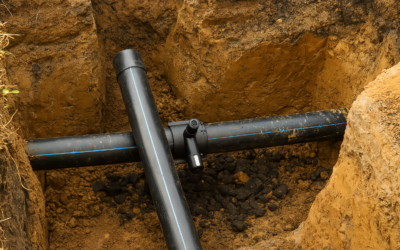
ASME Section IX: Fusion Quality Control Best Practices
In industries where the integrity of piping systems is critical, plastic pipe fusion has become a go-to joining method. But with its growing adoption comes a heightened need for consistency, durability, and safety. That’s where quality control steps in. At the heart...
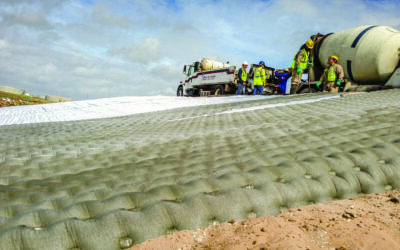
A Guide To Erosion Control Installation
Erosion is one of the most persistent challenges facing construction sites, industrial facilities, and infrastructure projects. If left unmanaged, it can compromise soil stability, degrade environmental quality, and threaten the integrity of everything from pipelines...
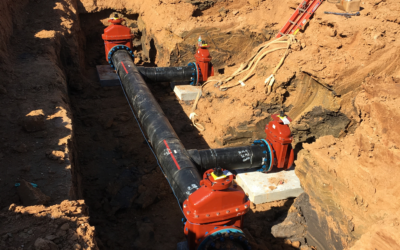
The Pipeline Hydrotesting Procedure Explained
Hydrotesting of pipelines is a critical process for ensuring the integrity and safety of pipelines. This plays a vital role in preventing leaks, failures, and costly disruptions. Hydrotesting verifies a pipeline’s ability to withstand the stress it will face during...

Trenchless Pipe Installation: Popular Techniques & Benefits
Traditional pipeline installation and repair often present significant challenges. Extensive excavation disrupts surfaces, inflates costs, and has a considerable environmental impact. Trenchless pipe installation offers a game-changing solution. By eliminating the...

Innovations in Underground Pipe Repairs: A Look at Trenchless Technologies
Underground pipe repairs have long been a challenge for industrial facilities, municipalities, and utilities. Fixing damaged pipelines involved significant excavation, disruption to the surrounding area, and lengthy project timelines. Fortunately, innovations in...
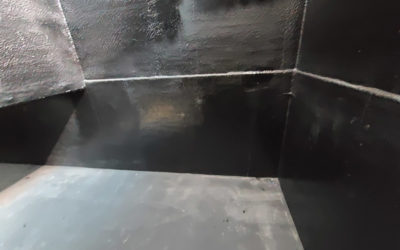
What Are the Benefits of Polyurea Coatings?
Protecting infrastructure and assets from wear and tear is crucial. That’s where polyurea coatings come in, offering a powerful solution for various industrial equipment. From exceptional durability to rapid curing times, polyurea coatings offer several advantages...

Beautifying Landscapes: Enhancing Aesthetics with HydroTurf Vegetation
How Construction Sites Impact Soil Erosion Erosion, or the dismantling of natural materials, can be caused by both nature and human activity. Construction sites have increasingly been attributed to acceleration erosion and nonpoint source (NPS) pollution. Erosion can...
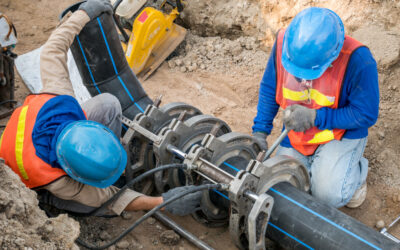
Choosing the Right HDPE Pipe Size: Factors, Considerations, and Applications
High-Density Polyethylene (HDPE) pipes are a cornerstone in modern piping systems, known for their durability, flexibility,leak free joints and resistance to corrosion. As you embark on your next project, the intricacies of selecting the correct HDPE pipe size can be...
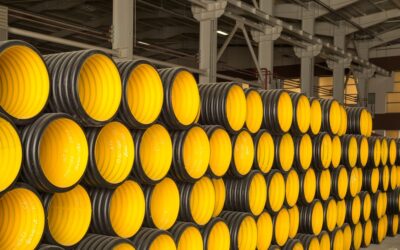
The Advantages of Double Wall HDPE Pipe Systems
Understanding the Advantages of HDPE Double Wall Pipes When it comes to industrial and construction applications, pipe selection is critical for ensuring long-term performance and reliability. High-Density Polyethylene (HDPE) has emerged as a material of choice due to...
Pipe Fusion Series: What is Electrofusion?
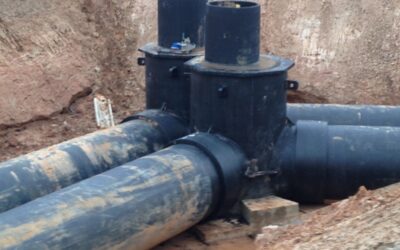
In the dynamic landscape of pipe fusion, a transformative force has emerged – electrofusion. This innovative technique introduces a distinctive approach, steering away from conventional methods to usher in a new era of precision and efficiency in joining pipes. What...
Pipe Fusion Series: What Is Saddle Fusion?
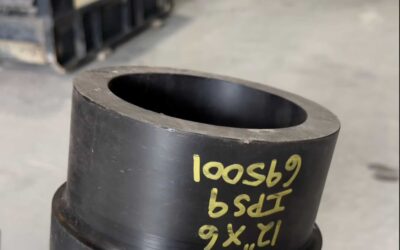
What Is Saddle Fusion? Saddle fusion is a specialized form of heat fusion, a process used to join two pipes or fittings made from thermoplastic materials like polypropylene (PP) and high-density polyethylene (HDPE). This technique involves creating a saddle-shaped...
Pipe Fusion Series: What Is Socket Fusion?
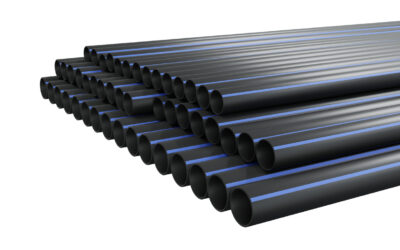
Socket fusion is a popular pipe fusion method known for its versatility, flexibility, and effectiveness in a range of settings. This article explores the details of socket fusion, points of differentiation from other fusion techniques, preferred applications, as well...
Contact Us To See What We Can Do For You
Looking for the perfect solution to your problem? Reach out to our expert team and we’ll deliver the answers you need.
US FUSION & SPECIALTY CONSTRUCTION
We specialize in complete solutions. From expert electrofusion of HDPE piping systems to waste management and containment — no matter what problem you’re dealing with, US FUSION is here to help you solve it.


Baton Rouge (HQ)
16347 Old Hammond Hwy, Baton Rouge, LA 70816
P (225) 647-2747
Houston
3400 Awesome Lane, LaPorte, TX 77571
P (281) 470-7252
