Benefits of Concrete Protective Liners

Benefits of Concrete Protective Liners

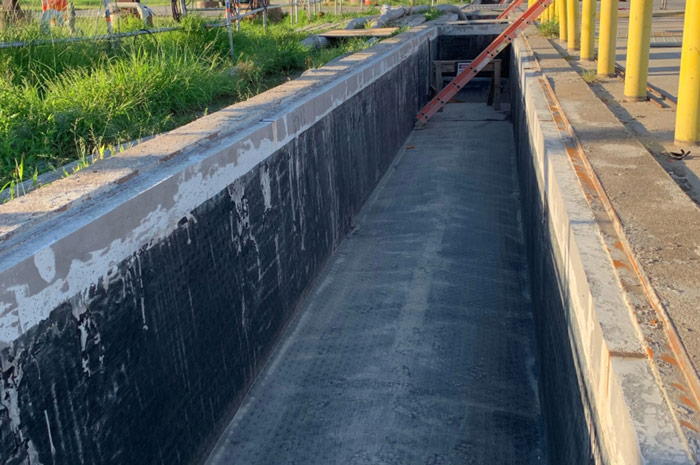
Concrete protective liners are generally formed plastic sheets or inserts that cover concrete surfaces to protect them from damage. They can be made of high-density polyethylene (HDPE), polyvinyl chloride (PVC), polyvinylidene fluoride (PVDF), Ethylene Tetrafluoroethylene (ETFE), or polypropylene and are fused or welded at the seams. These liners are a cost-effective method of protecting concrete structures, like storage tanks.

Protective liners can be used to protect various concrete structures, including

  • Storage tanks
  • Culverts and tunnels
  • Sewer and water treatment
  • Sumps
  • Storage pads
  • Concrete piping
  • Secondary containment walls
  • Manholes

They come in a variety of thicknesses, depending on the needs of the application; at US FUSION, we offer concrete protective liners in thicknesses ranging from 2.0mm to 12.0mm

6 Benefits of Concrete Protective Liners

But what are the benefits of protective liners for concrete structures? Here are six of the crucial benefits that concrete protective liners offer to industrial construction projects.

1. Protection from Mechanical Damage

Concrete, though a strong, durable material, is prone to fracturing and chipping. If you’ve ever dropped a hammer on a concrete shop floor, you know what we mean. The crystalline structure of concrete makes it unable to bend or flex when it receives an impact, but the polymer structure of plastic liners gives them greater flexibility, allowing them to bend without catastrophically breaking or chipping.

2. Protection from Corrosion Damage

Concrete can be corroded by a variety of substances present in the environment, including microbes, salty or acidic water, chlorides, sulfates, sulfides, slag and industrial waste, and more. Increasing the lifespan of concrete structures necessitates preventing this damage. A protective liner in a corrosion-resistant material like HDPE or PVDF (like Teflon) will shield the concrete from these corrosive, damaging substances.

3. Minimal Lateral Movement 

Concrete protective liners have minimal lateral movement, which is necessary for ensuring the protection of the concrete structure and maintaining a leak-proof seal. 

4. Resists UV Degradation

HDPE and other plastics used for concrete protective liners can be made with different additives, depending on the desired performance characteristics. This includes UV resistance, which can be incredibly useful for protective liners that will be exposed to the elements.  

5. Cost Effective

Other options for concrete protection include epoxy resins, polyurethane resins, rubber emulsions, silicons, and cement coatings. These other options, however, have their drawbacks — one of which is price. 

Generally speaking, an HDPE protective liner will have a lower price point for large civil, municipal, and industrial concrete protection needs.

6. Can Be Pre-Fabricated

Most methods of concrete protection are either substances with which the concrete is impregnated at the time of mixing or pouring or coatings or sealants applied to the concrete. Concrete protective liners, on the other hand, are a separate product placed over the concrete being protected. Rather than having to apply a coating to the concrete — which can be a lengthy process, requiring certain weather conditions — protective liners can be pre-fabricated off-site and then delivered ready to install.

Get Expert Concrete Protective Liner Installation From US FUSION

HDPE-embed protective liners provide concrete protection from mechanical damage and corrosive environments in various industrial, municipal, and civil applications, such as concrete storage tank protection. US FUSION also provides and installs PVDF, polypropylene, and PVC concrete protective liners. Learn more about our offerings here, or download our Concrete Protective Liners brochure.
 

What Is Dewatering in Construction?

What Is Dewatering in Construction?

Water and construction generally don’t mix. Just like a rainy day can halt work on your site, so can the standing water it leaves behind once the sun is shining — along with other surface and groundwater in areas slated for construction or excavation. If this is a problem for your construction project, your site may need dewatering. But what exactly does that entail?

What is Dewatering? What Is Dewatering in Construction?

Dewatering is removing water from an area. In construction, this means removing water from a construction site — whether it’s removing ponded water from the surface or removing unwanted or excessive groundwater. 

Water can be an impediment to most construction activities, particularly anything involving concrete, which needs time to cure before it can tolerate moisture. Therefore, dewatering is a must for particularly wet sites, such as those with poor surface water drainage or high water tables.

4 Common Dewatering Methods

There are several methods for dewatering; the best method is dependent on a variety of factors specific to the application. Some of the most common dewatering methods are

  • Pumping (open sumping)
  • Channeling
  • Well points
  • Deep wells

1. Pumping

One of the methods for dewatering a site is to place a sump pump into wet, ponded areas and pump the water to another location. This method works specifically for surface water; for moving groundwater, more sophisticated pumping solutions are needed.

2. Channeling 

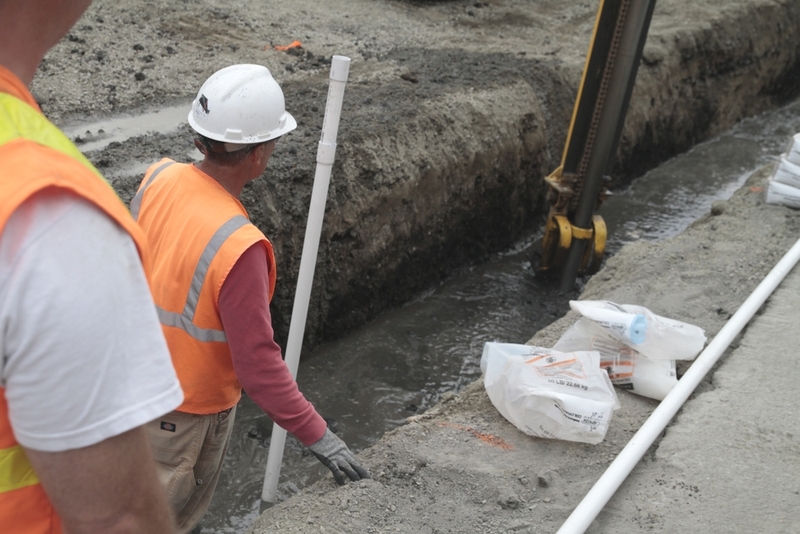
Channeling is one of the oldest, and lowest-tech, methods of dewatering surface water. It involves digging channels or ditches, into which water will drain. These channels harness the power of gravity to move water away from the worksite. 

To prevent this water from draining into the channel soil and prevent soil washout, some kind of geosynthetic liner or erosion control system may be used to line the channel.

3. Well points

For dewatering groundwater, one method is to drill a series of small, shallow wells around the work area, known as well points. From these wells, groundwater can be pumped out of the soil.

4. Deep wells

For applications where well points are insufficient, such as construction sites that are large or that require deep excavation, large, deep wells can be installed to draw up groundwater.

How is Excess Water Managed After Dewatering?

In all of the methods mentioned above, the water that is being removed from the construction area is generally redirected to another area of the site, where ponding will not be an issue for construction activities. Water may be diverted to densely vegetated areas of the property, which can absorb the excess water without risking extreme soil erosion or runoff. In some cases, detention ponds, tanks, or other infrastructure are needed to contain the excess water after it has been removed from the dewatered areas of the site. 

Regardless of where it is diverted, except when using the channeling method of dewatering, water is pumped and transported through pipes to the designated release or containment area. Water, as a fluid, is heavy and difficult to transport via other means. Temporary or permanent piping networks are established to divert water removed from the surface and soil. 

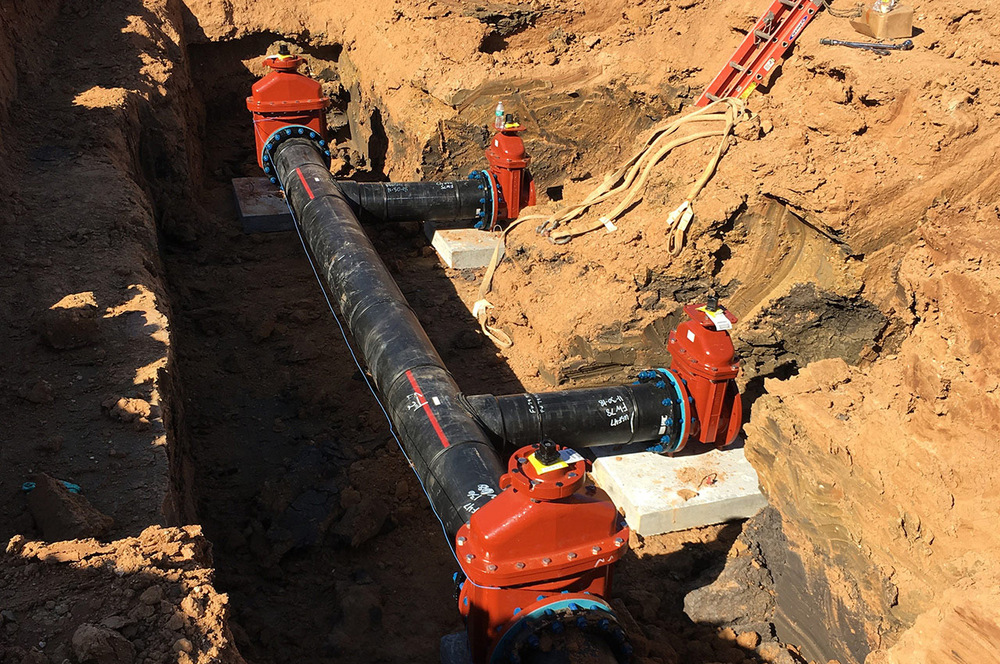
HDPE piping is often used for this purpose, as it is light and flexible, and can be installed using any of a variety of methods, depending on the application. Unlike other types of pipe, the sections of which are joined together with additional pipe components and adhesives, HDPE pipe is connected via plastic fusion: pipes are essentially melted together at high heat. This creates truly seamless piping, meaning that there are no opportunities for leaks. 

Need Dewatering Solutions? US FUSION Can Help

HDPE pipe is the natural choice for specialty construction dewatering needs, as it’s durable, flexible, affordable, and corrosion-resistant, with leak-free performance. To discuss how US Fusion’s HDPE offerings can meet the dewatering needs of your site and application, contact us today.

Hydro Testing: What Is It, and Why Is It Important?

Hydro Testing: What Is It, and Why Is It Important?

Once a plastic pipe system is installed, you may think a pipe specialist’s job is done. It’s not. 

Before plastic pipes can be considered safe and ready for use, hydro testing must be completed. Below, we’ll define what hydro testing is, why it’s important, and how it’s carried out. 

What is Hydro Testing? 

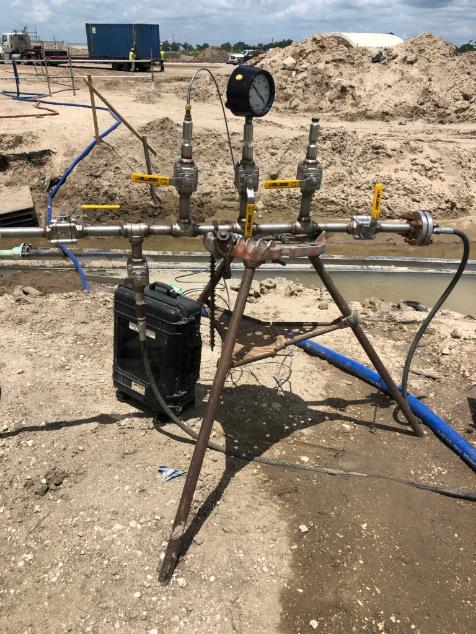
Hydro testing, short for hydrostatic testing, is a pressure-based process where piping systems are tested for performance and leaks. It’s most often completed right after a plastic pipe system has been installed, but can also be done later on for routine inspection and maintenance checks. 

what is hydro testing US Fusion

Hydro Testing Process

Here are five steps for what the general hydro testing process looks like for plastic pipe or HDPE pipe applications:

  1. Fill up the pipe system completely with water. 
  2. Remove all air within the system (this is done by filling completely with water). 
  3. Pressurize the system up to 1 ½ times its design pressure limit. 
  4. Hold this pressure for a specified amount of time. 
  5. Inspect the pipe system for leaks. Sometimes pipe specialists use dyes to find the exact location of any leaks.

Why Is Hydro Testing Important? 

Hydro testing isn’t just a recommendation. In most cases, it’s a post-installation requirement. 

Hydro testing is so important because it helps to ensure that the system passes inspection and safety standards for plastic piping. It’s a proactive approach that reduces the chance of an emergency and ensures the safety of your people, facilities, and environment. It also helps you save resources and money because you can catch leaks before they become a larger issue.

3 Hydro Testing Methods for Plastic Pipe Systems

There are three common hydro testing methods used for plastic pipe systems and other vessels/cylinders. There are certainly other methods that specialists use, but these popular ones will help give you a better understanding of what any test typically involves. 

Water Jacket Method

The pipe system is filled with water and loaded into a sealed chamber called a test jacket. The test jacket is also filled with water. The pipe is then pressurized inside the test jacket for a specific amount of time, causing it to expand within the test jacket. This results in water being forced out into a glass tube that measures total expansion. That expansion is recorded, then the pipe is depressurized, and then it shrinks to its original size.

Direct Expansion Method

The pipe system is filled with a certain amount of water, then pressurized. Then the amount of water that’s expelled upon pressure release is measured. The permanent expansion and total expansion values are calculated using the amount of water forced into the pipe, the test pressure, and the amount of water expelled.

Proof Pressure Method

Internal pressure is applied to the pipe to see if it has any leaks or weaknesses in the wall lining. In the United States, the proof pressure method is only permitted when the Code of Federal Regulations (CFR) doesn’t require permanent and total expansion values to be recorded. 

Trust US FUSION For Your Plastic Pipe & Hydro Testing Needs

Hydro testing is an important practice to ensure plastic pipes are installed and working properly on your site. If you need help completing this specialized process, contact the experts at US FUSION. With decades of industry experience, we have the knowledge and mastery it takes to get quick, accurate results.