
How Long Does HDPE Pipe Last? And Other Frequently Asked Questions

How Long Does HDPE Pipe Last? And Other Frequently Asked Questions

In the world of piping, HDPE pipe is a relatively new addition. While it’s been around for years, some of the older players in the game like copper and cast iron have been around for much longer. You’re likely familiar with the more traditional pipe materials but may still have questions about HDPE pipe.

What is HDPE pipe? How long does it last? What are its applications? Keep reading for our answers to all your HDPE pipe questions.

What does HDPE stand for?

HDPE is an acronym for high-density polyethylene. High-density polyethylene is a polymer (a substance made of large molecules) that is thermoplastic, which means that it is malleable or moldable at high temperatures. HDPE is useful as a material because it is corrosion-resistant and has a high strength-to-density ratio.

HDPE is used in a variety of applications, not just in piping. Plastic bottles, house wrap, lawn furniture, plastic mailers, and even ropes and fabrics are made of HDPE. HDPE is cost-effective, making it desirable for a multitude of uses from playground equipment to fuel tanks.

What is HDPE pipe?

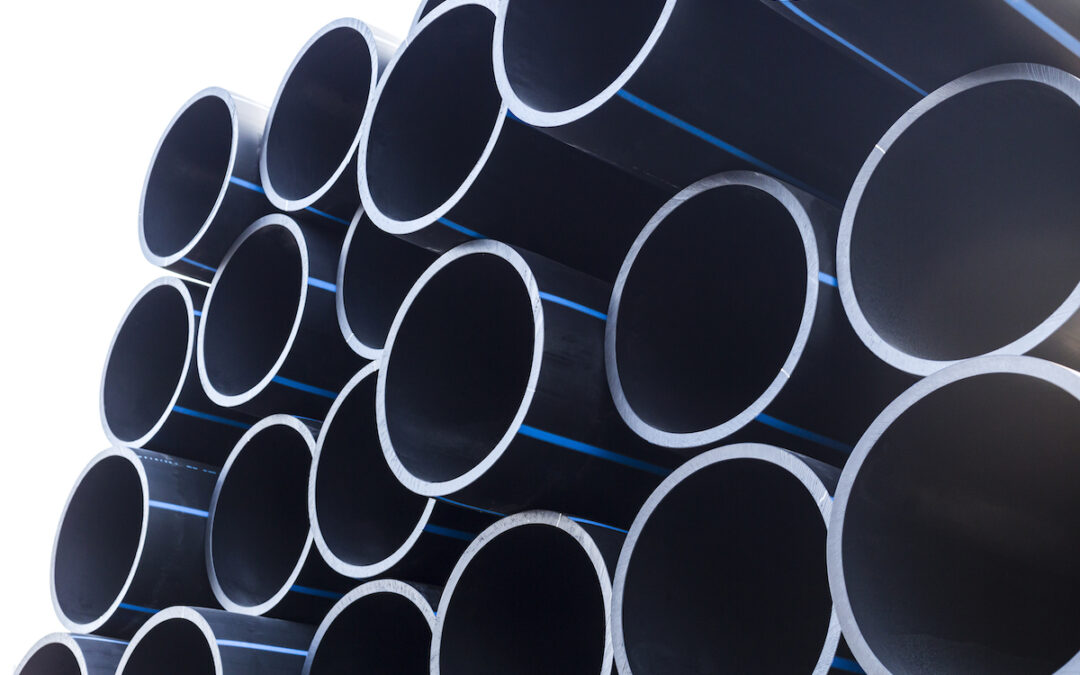
HDPE pipe is flexible, corrosion-resistant plastic pipe. It is generally lighter in weight and more cost-effective than metal pipe. HDPE pipe is joined by welding or fusing the plastic pipe sections together at heat, without jointing chemicals, rubber seals, anchors, or thrust restraint blocks.

Plastic pipe is impact resistant and is not susceptible to the same environmental stressors as ferrous pipe materials. It also has a high flow capacity and is resistant to many chemicals. In addition, its low thermal conductivity cuts down on the need to insulate HDPE pipe, as it maintains more stable fluid temperatures.

How is HDPE pipe manufactured?

HDPE pipe is manufactured by extrusion. The material is heated, then pushed through a mold that shapes the material into a length of pipe at the desired diameter. It is then cooled in stages by spraying the pipe with water or submerging it in water. HDPE generally contains carbon black, which provides it with UV resistance.

How is HDPE pipe installed?

HDPE pipe can be installed using standard pipelaying practices, as well as sliplining, horizontal directional drilling, and other cost-saving methods. HDPE pipe works well for trenchless installation.

What is HDPE pipe used for?

HDPE pipe is used in myriad applications, which include, but are not limited to:

  • Water mains
  • Sewer mains
  • Stormwater drainage systems
  • Irrigation
  • Oil and gas pipelines
  • Mining
  • Firewater lines
  • Electrical conduit
  • Telecommunications conduit
  • Agriculture
  • Compressed air
  • Chemical manufacture and transport
  • Food manufacture and transport
  • Ground-source geothermal systems
  • Fertilizer
  • Desalination plants
  • Paper and pulp manufacture
  • Hazardous materials
  • Ocean cleanup
  • Brine pipelines

How long does HDPE pipe last?

The typical benchmark for HDPE life expectancy is 50 years; however, per the Plastics Pipe Institute, HDPE pipe used in municipal potable water systems can have a lifespan of over 100 years. When compared with other traditional piping materials copper (40-75 year lifespan), cast iron (50-75 years), and galvanized steel (30-50 years), HDPE pipe demonstrates better longevity.

What temperatures can HDPE pipe withstand?

HDPE pipe can operate in temperatures ranging from -220° F to 140°F. Of pipe materials, HDPE does not have the highest temperature resistance, and it does have relatively high thermal expansion. However, for most applications, the temperature range that HDPE pipe can withstand is more than adequate.

What’s the difference between HDPE and PVC pipe?

While both HDPE and PVC are plastic pipes that are lightweight and resistant to chemicals and corrosion, there are a few important differences. The first is that while HDPE pipe is made of high-density polyethylene, which is derived from petroleum, PVC pipe is made of a vinyl, polyvinyl chloride. This results in different performance characteristics.

PVC pipe is generally stiffer than HDPE, and it is joined with sealants and not heat fusion. PVC also has better thermal performance, expanding significantly less..

HDPE, however, outperforms PVC for certain applications. PVC can only be installed via open trench or drop burial methods, whereas HDPE can utilize horizontal directional drilling, sliplining, and other methods. HDPE piping boasts leak-free joints, unlike PVC, and is generally more durable and suited to a greater range of uses.

Is HDPE pipe safe for drinking water?

Absolutely. HDPE pipe is water and food-safe and is used extensively in drinking water and food manufacturing and transport applications. NSF, an organization that develops public health and safety standards for drinking water, has debunked study results that suggest that HDPE and similar plastic pipe is hazardous for drinking water applications.

At US FUSION, we do HDPE piping like nobody else in the industry. With decades of experience, high-quality materials, and complete solutions for every situation, we’re your trusted source for pipe installation, fusion, and repair. Reach out to our team to learn more about our services.
What Are the Main Types of HDPE Pipe Fusion Methods

What Are the Main Types of HDPE Pipe Fusion Methods

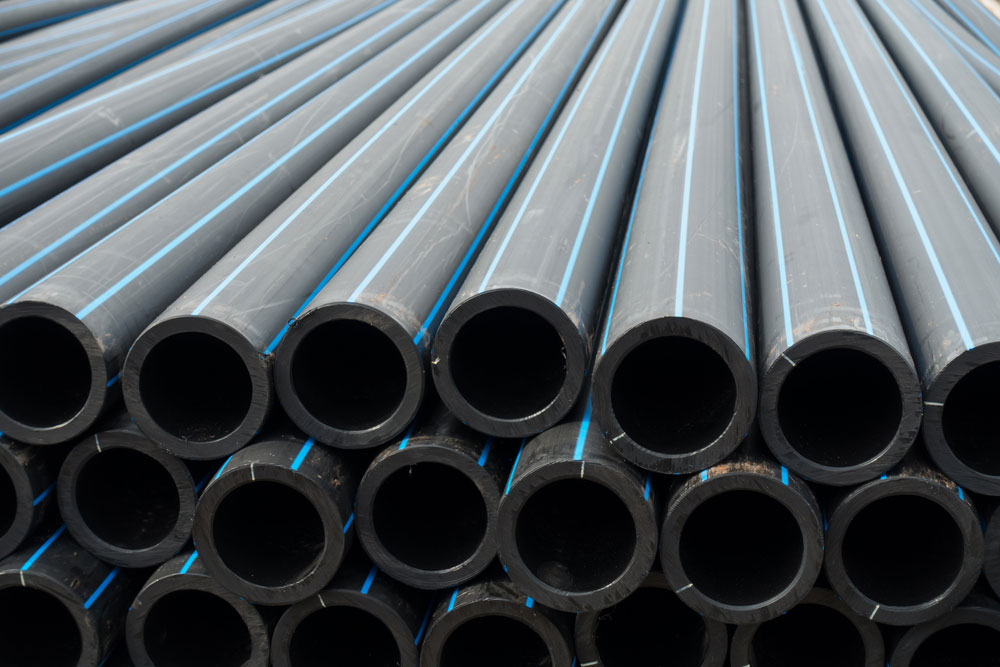
HDPE piping provides durable, long-lasting options for many piping applications. Highly customizable, HDPE piping can be applied using various pipe sizes and fusion techniques. These fusion techniques are what make the types of HDPE pipe fusion especially effective, allowing long pipe stretches to connect and maneuver through complex spaces. US FUSION provides tailored solutions to meet your needs through professional HDPE pipe fusion methods and reliable field expertise.

Understanding the HDPE pipe fusion process is essential when planning modern thermoplastic piping systems because the strength of the system depends heavily on the quality of the fusion joints. Projects that require expert installation often rely on on-site plastic fusion services to ensure every fusion joint is performed safely and according to industry standards.


What Is Pipe Fusion?

In most piping applications, a single section of HDPE pipe will not get the job done. When multiple pieces of pipe are needed, the types of HDPE pipe fusion available become critical to building a strong pipeline system. While there are many HDPE pipe fusion methods, each involves heating the pipe and applying pressure to fuse two pieces together. This HDPE pipe fusion process creates a continuous, sealed connection that is often stronger than the pipe itself.

At US FUSION, our team specializes in multiple types of HDPE pipe fusion used across industrial infrastructure projects. Whether piping systems are underground or exposed, our technicians follow strict safety and environmental protocols. Projects that require installation support or system repair may also benefit from field installation and repair of plastic pipe systems when pipelines must be fused directly at the jobsite.


4 Types of HDPE Pipe Fusion

Not sure which types of HDPE pipe fusion are required for your project? Selecting the right HDPE pipe fusion methods depends on pipe size, jobsite conditions, and system design. Below we break down the most common approaches used within the HDPE pipe fusion process.

Butt Fusion

Butt fusion is one of the most widely used types of HDPE pipe fusion when two straight sections of pipe need to be connected. This technique is considered one of the most reliable HDPE pipe fusion methods because the resulting joint is typically stronger than the pipe itself.

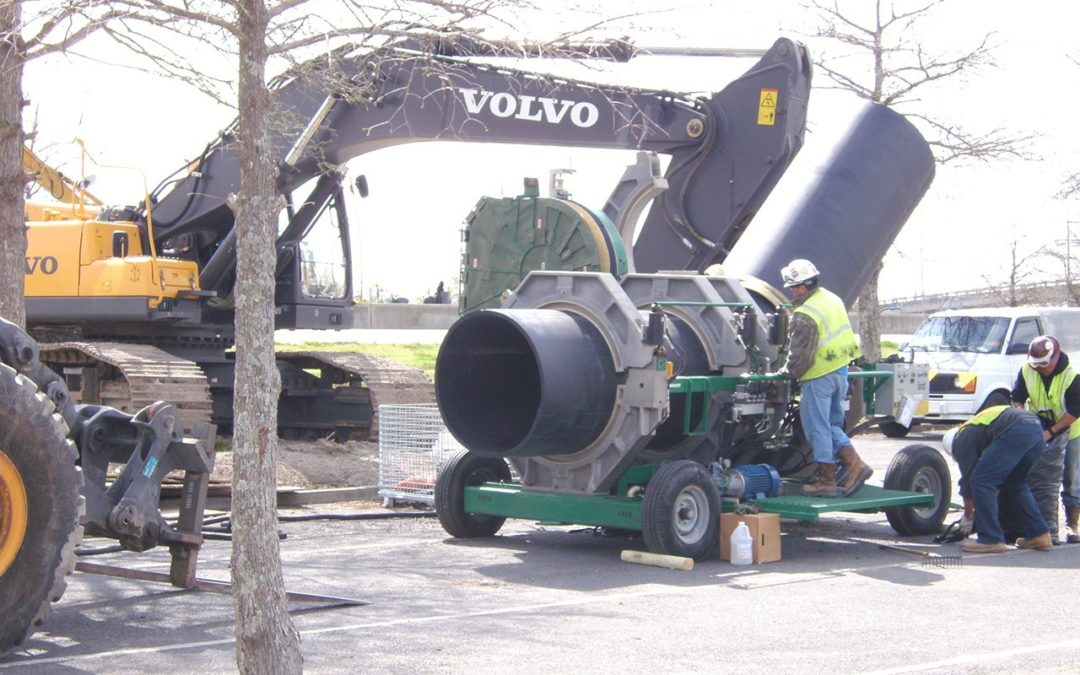
During this HDPE pipe fusion process, a fusion machine holds two pipe sections in place while a heater plate warms both pipe ends. Once heated, controlled force presses the two ends together and the joint cools to form a permanent bond.

Projects requiring pipe sections, fittings, and components to support this fusion technique often rely on plastic pipe and complete fittings supply to ensure compatibility between pipe materials and fusion equipment.

Electrofusion

Electrofusion is another of the important types of HDPE pipe fusion, especially when installation space is limited. Among the different HDPE pipe fusion methods, electrofusion is commonly used with fittings or repair couplers.

In this HDPE pipe fusion process, electrofusion couplers containing internal copper coils are placed around pipe ends. Electrical current heats the coils, melting the pipe and fitting together to create a tight seal.

Electrofusion is frequently used in pipeline repair situations where a technician may already be performing field installation and repair of plastic pipe systems to restore damaged piping infrastructure.

Socket Fusion

Socket fusion is another of the types of HDPE pipe fusion used when smaller diameter piping or flexibility is required. This technique is one of several HDPE pipe fusion methods used in industrial piping systems that require precise fitting connections.

In this HDPE pipe fusion process, the outside of the pipe and the inside of the socket fitting are heated simultaneously. Once both surfaces reach the proper temperature, the pipe is inserted into the socket. As the materials cool, the connection forms a sealed and flexible joint.

Socket fusion is often performed in controlled environments or fabrication facilities where piping systems are preassembled before installation. Many contractors rely on fabrication shop services to produce custom piping assemblies before field deployment.

Saddle Fusion

Saddle fusion is one of the specialized types of HDPE pipe fusion used when connecting a branch line to an existing pipe. Among the various HDPE pipe fusion methods, this technique is commonly used in systems where additional connections must be added without replacing the main pipeline.

In the HDPE pipe fusion process, both the saddle fitting and the pipe surface are heated before being pressed together under force. The joint is then allowed to cool while pressure is maintained, forming a secure connection point capable of handling system pressure.

When saddle connections are installed in complex infrastructure projects, experienced contractors often use on-site plastic fusion services to ensure the fusion work meets industry performance standards.


Get Expert HDPE Pipe Fusion For Any Application

If your project requires specialized types of HDPE pipe fusion, the team at US FUSION can help. Our experienced builders and technicians understand how different HDPE pipe fusion methods impact long-term pipeline performance.

From selecting the right materials to executing each HDPE pipe fusion process, our team works to ensure every connection is secure and built to last. Whether your project requires supply, fabrication, or field installation, our specialists can deliver complete piping solutions tailored to your application.

Contact us today to learn more about how our fusion experts can support your project.

What Is HDPE Piping and How Is It Used in Industrial Piping

What Is HDPE Piping and How Is It Used in Industrial Piping

HDPE piping is one of the things we do best here at US FUSION, but if you’re not working with it every day like we are, you may have questions about what is HDPE pipe and how it works in modern industrial infrastructure.

Below, we’ll explore the answers to those questions, giving you an overview of what is HDPE pipe, how it performs in demanding environments, and why many facilities rely on its durability and performance. Understanding HDPE pipe benefits can help determine whether it’s the right choice for your next piping project.

Many industrial facilities rely on HDPE piping because it supports a wide range of HDPE pipe applications, including water transport, chemical handling, and infrastructure projects.


What Is HDPE Piping?

To understand what is HDPE pipe, it’s important to first understand the material itself. HDPE stands for high-density polyethylene, a thermoplastic derived from petroleum that is widely used in piping systems.

Despite being flexible, HDPE offers exceptional strength and durability. Among the major HDPE pipe benefits are resistance to water, chemicals, and impact damage. These qualities make HDPE piping ideal for demanding HDPE pipe applications where reliability and long service life are critical.

Many modern infrastructure projects use HDPE because of its ability to form strong, leak-resistant joints through fusion welding. Projects that require precision fusion work often rely on on-site plastic fusion services to ensure every HDPE connection is completed according to industry standards.


What Is HDPE Piping Used For?

Understanding what is HDPE pipe also means understanding its versatility across industries. One of the main HDPE pipe benefits is its resistance to corrosion and abrasion, which allows it to safely transport solids, liquids, and gases.

Because of this durability, HDPE piping supports a wide variety of HDPE pipe applications, including:

  • Municipal and industrial water and waste
  • Potable water
  • Wastewater and sewer
  • Drainage
  • Firewater
  • Oil and gas gathering systems
  • Methane recovery systems
  • Landfills
  • Water supply lines for oil recovery

The bottom line is that when evaluating what is HDPE pipe, it becomes clear that few piping materials offer the same combination of durability, flexibility, and safety across industrial transport systems.

Many of these systems also depend on high-quality pipe materials and fittings supplied by experienced providers such as plastic pipe and complete fittings supply to ensure compatibility and long-term system performance.


What Are the Benefits of HDPE Piping?

In recent years, HDPE piping has grown in popularity across multiple industries. Once people fully understand what is HDPE pipe, they often discover numerous HDPE pipe benefits that make it a superior option for industrial piping.

HDPE Piping is Durable

Arguably the greatest advantage of HDPE piping is its exceptional durability. Among the key HDPE pipe benefits are its resistance to water damage, temperature changes, and corrosion, issues that can affect materials such as galvanized steel, PVC, or copper.

Depending on how it is designed and installed, HDPE piping used in many HDPE pipe applications can last between 50 and 100 years.

It’s More Affordable Than Other Options on the Market

Another major factor when evaluating what is HDPE pipe is cost efficiency. Because HDPE piping is made from lightweight plastic materials, it typically costs less to manufacture, transport, and install compared to traditional piping systems.

These financial HDPE pipe benefits also extend to labor savings, since installation time and equipment requirements are often reduced.

It Delivers High Performance Across Applications

One of the most important HDPE pipe benefits is its leak-resistant performance. Traditional piping systems often develop leaks over time, but HDPE’s fusion process creates monolithic connections that significantly reduce this risk.

These fusion connections allow HDPE piping to perform reliably across a variety of demanding HDPE pipe applications, including water distribution and oil transportation systems that experience pressure surges.

Easy to Repair and Maintain

Even when maintenance is required, HDPE piping remains relatively easy to repair. Understanding what is HDPE pipe also means recognizing that repairs can often be performed using electrofusion couplers or off-carriage butt welds.

In many cases, failing pipelines made of steel, concrete, or ductile iron can be rehabilitated using HDPE through trenchless technologies, expanding the range of potential HDPE pipe applications for infrastructure upgrades.

Projects requiring field repair or upgrades may also rely on field installation and repair of plastic pipe systems to restore system performance safely.

HDPE is a Sustainable Piping Option

Another important factor when evaluating what is HDPE pipe is sustainability. HDPE piping requires less energy to manufacture compared to many non-plastic pipe materials.

These environmental HDPE pipe benefits also include fewer fittings due to HDPE’s flexibility and reduced risk of hazardous leaks. Additionally, HDPE materials can often be recycled into other non-pressure HDPE pipe applications, making them a more environmentally responsible option.


How Is HDPE Piping Installed?

Understanding what is HDPE pipe also requires understanding how it is installed. HDPE piping systems are typically installed using two main techniques: trenching and trenchless installation.

Trenching involves excavating a trench and installing the pipe before backfilling the area. While this method can be disruptive, it remains effective for certain HDPE pipe applications where direct pipe access is required.

Trenchless installation techniques avoid large excavations and instead use specialized technologies such as directional drilling, sliplining, and pull-in-place methods.

These installation methods rely heavily on proper fusion welding and pipe preparation to maximize the HDPE pipe benefits of leak-free performance and long service life.


Get Expert Help With HDPE Pipe Installation

If you’d like to learn more about what is HDPE pipe and how it can support your project, contact US FUSION. With more than 35 years of experience providing HDPE installation, supply, and fusion services, our team delivers specialized piping solutions designed for demanding industrial environments and complex HDPE pipe applications.