What Are the Main Types of HDPE Pipe Fusion Methods
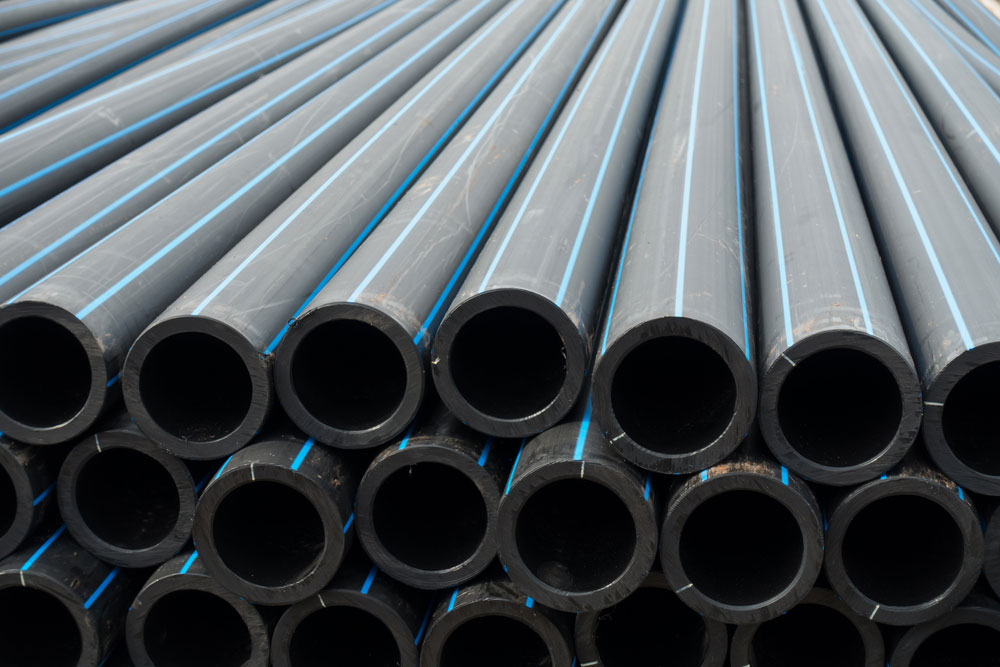
HDPE piping provides durable, long-lasting options for many piping applications. Highly customizable, HDPE piping can be applied using various pipe sizes and fusion techniques. These fusion techniques are what make the types of HDPE pipe fusion especially effective, allowing long pipe stretches to connect and maneuver through complex spaces. US FUSION provides tailored solutions to meet your needs through professional HDPE pipe fusion methods and reliable field expertise.
Understanding the HDPE pipe fusion process is essential when planning modern thermoplastic piping systems because the strength of the system depends heavily on the quality of the fusion joints. Projects that require expert installation often rely on on-site plastic fusion services to ensure every fusion joint is performed safely and according to industry standards.
What Is Pipe Fusion?
In most piping applications, a single section of HDPE pipe will not get the job done. When multiple pieces of pipe are needed, the types of HDPE pipe fusion available become critical to building a strong pipeline system. While there are many HDPE pipe fusion methods, each involves heating the pipe and applying pressure to fuse two pieces together. This HDPE pipe fusion process creates a continuous, sealed connection that is often stronger than the pipe itself.
At US FUSION, our team specializes in multiple types of HDPE pipe fusion used across industrial infrastructure projects. Whether piping systems are underground or exposed, our technicians follow strict safety and environmental protocols. Projects that require installation support or system repair may also benefit from field installation and repair of plastic pipe systems when pipelines must be fused directly at the jobsite.
4 Types of HDPE Pipe Fusion
Not sure which types of HDPE pipe fusion are required for your project? Selecting the right HDPE pipe fusion methods depends on pipe size, jobsite conditions, and system design. Below we break down the most common approaches used within the HDPE pipe fusion process.
Butt Fusion
Butt fusion is one of the most widely used types of HDPE pipe fusion when two straight sections of pipe need to be connected. This technique is considered one of the most reliable HDPE pipe fusion methods because the resulting joint is typically stronger than the pipe itself.
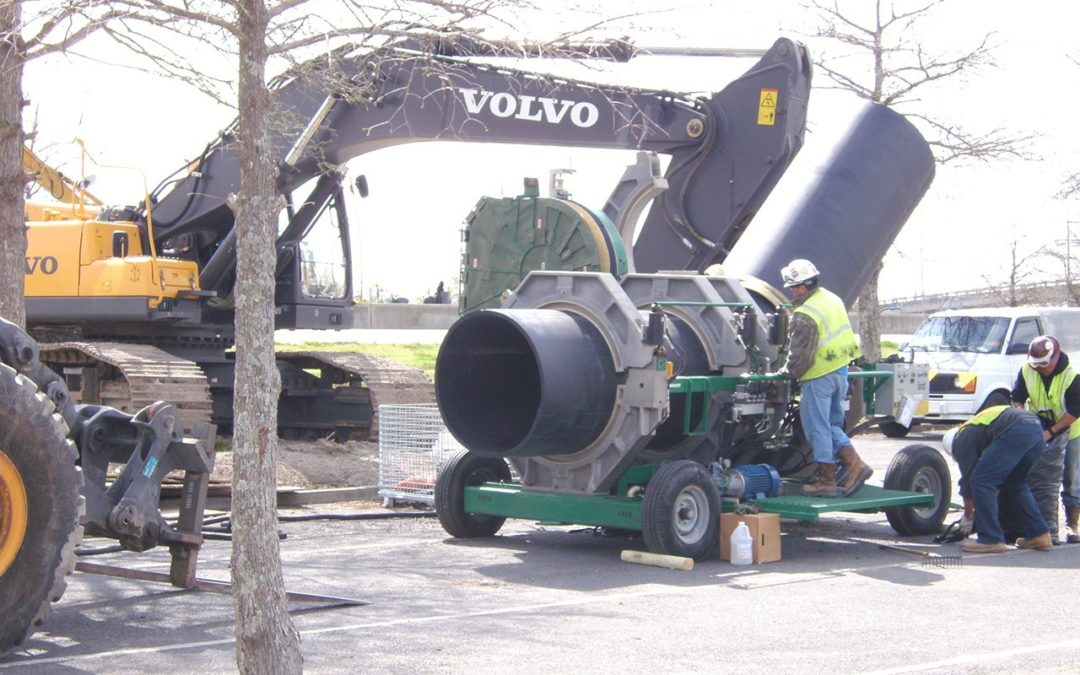
During this HDPE pipe fusion process, a fusion machine holds two pipe sections in place while a heater plate warms both pipe ends. Once heated, controlled force presses the two ends together and the joint cools to form a permanent bond.
Projects requiring pipe sections, fittings, and components to support this fusion technique often rely on plastic pipe and complete fittings supply to ensure compatibility between pipe materials and fusion equipment.
Electrofusion
Electrofusion is another of the important types of HDPE pipe fusion, especially when installation space is limited. Among the different HDPE pipe fusion methods, electrofusion is commonly used with fittings or repair couplers.
In this HDPE pipe fusion process, electrofusion couplers containing internal copper coils are placed around pipe ends. Electrical current heats the coils, melting the pipe and fitting together to create a tight seal.
Electrofusion is frequently used in pipeline repair situations where a technician may already be performing field installation and repair of plastic pipe systems to restore damaged piping infrastructure.
Socket Fusion
Socket fusion is another of the types of HDPE pipe fusion used when smaller diameter piping or flexibility is required. This technique is one of several HDPE pipe fusion methods used in industrial piping systems that require precise fitting connections.
In this HDPE pipe fusion process, the outside of the pipe and the inside of the socket fitting are heated simultaneously. Once both surfaces reach the proper temperature, the pipe is inserted into the socket. As the materials cool, the connection forms a sealed and flexible joint.
Socket fusion is often performed in controlled environments or fabrication facilities where piping systems are preassembled before installation. Many contractors rely on fabrication shop services to produce custom piping assemblies before field deployment.
Saddle Fusion
Saddle fusion is one of the specialized types of HDPE pipe fusion used when connecting a branch line to an existing pipe. Among the various HDPE pipe fusion methods, this technique is commonly used in systems where additional connections must be added without replacing the main pipeline.
In the HDPE pipe fusion process, both the saddle fitting and the pipe surface are heated before being pressed together under force. The joint is then allowed to cool while pressure is maintained, forming a secure connection point capable of handling system pressure.
When saddle connections are installed in complex infrastructure projects, experienced contractors often use on-site plastic fusion services to ensure the fusion work meets industry performance standards.
Get Expert HDPE Pipe Fusion For Any Application
If your project requires specialized types of HDPE pipe fusion, the team at US FUSION can help. Our experienced builders and technicians understand how different HDPE pipe fusion methods impact long-term pipeline performance.
From selecting the right materials to executing each HDPE pipe fusion process, our team works to ensure every connection is secure and built to last. Whether your project requires supply, fabrication, or field installation, our specialists can deliver complete piping solutions tailored to your application.
Contact us today to learn more about how our fusion experts can support your project.