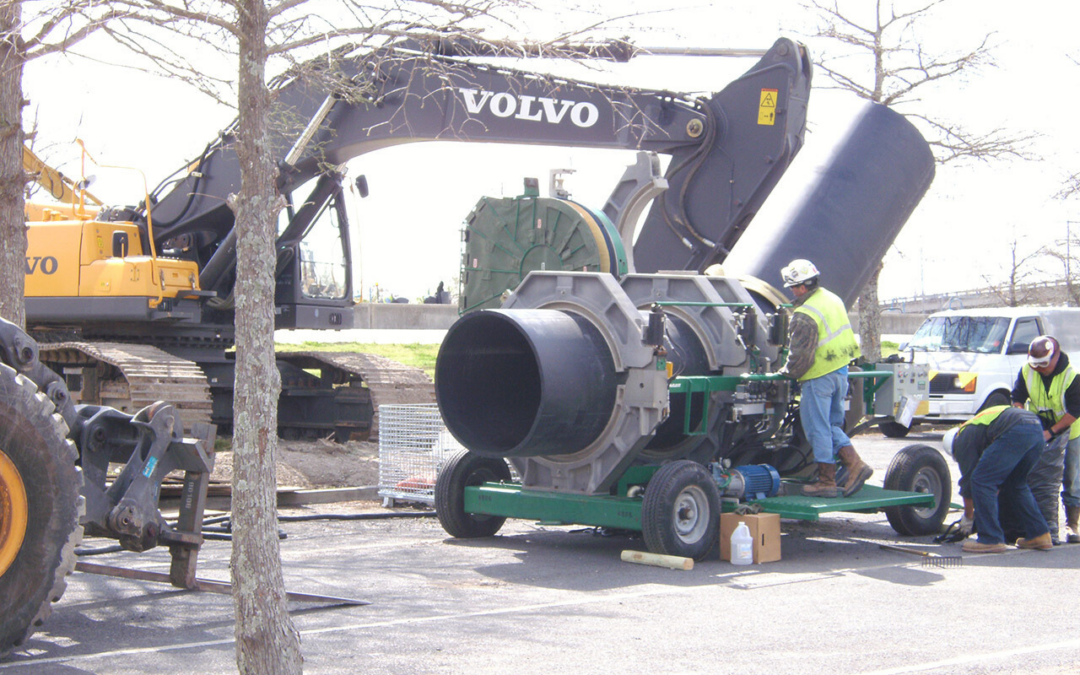
Pipe Fusion Series: What Is Butt Fusion?

Pipe Fusion Series: What Is Butt Fusion?

Butt fusion is a widely used welding technique in the field of thermoplastic piping systems. This method plays a crucial role in joining pipes and fittings, ensuring leak-proof connections, and maintaining the integrity of fluid transportation networks. This article explores the fundamentals of butt fusion, its applications, plus some advantages and disadvantages of the technique.

What Is Butt Fusion?

Butt fusion is a thermal welding process used primarily for joining pipes and fittings made from thermoplastic materials such as polyvinylidene fluoride (PVDF) and high-density polyethylene (HDPE). The name “butt fusion” derives from the way the two pipe ends are brought together, creating a seamless, end-to-end connection. 

Butt Fusion Process

The key steps involved in butt fusion include:

1. Pipe Preparation

The ends of the pipes to be joined are cut square and cleaned to remove any dirt, debris, or oxidation. This ensures a clean, uncontaminated fusion surface. The fusion machine then uses a facer/cutter to cut the pipe back to original resin. 

2. Heating

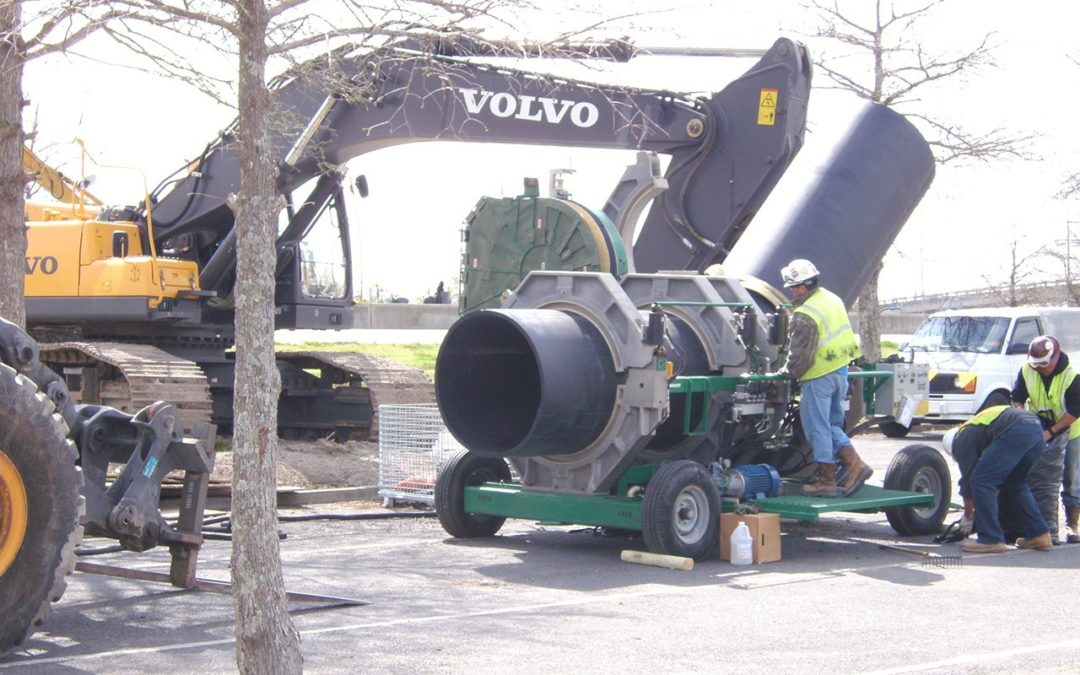
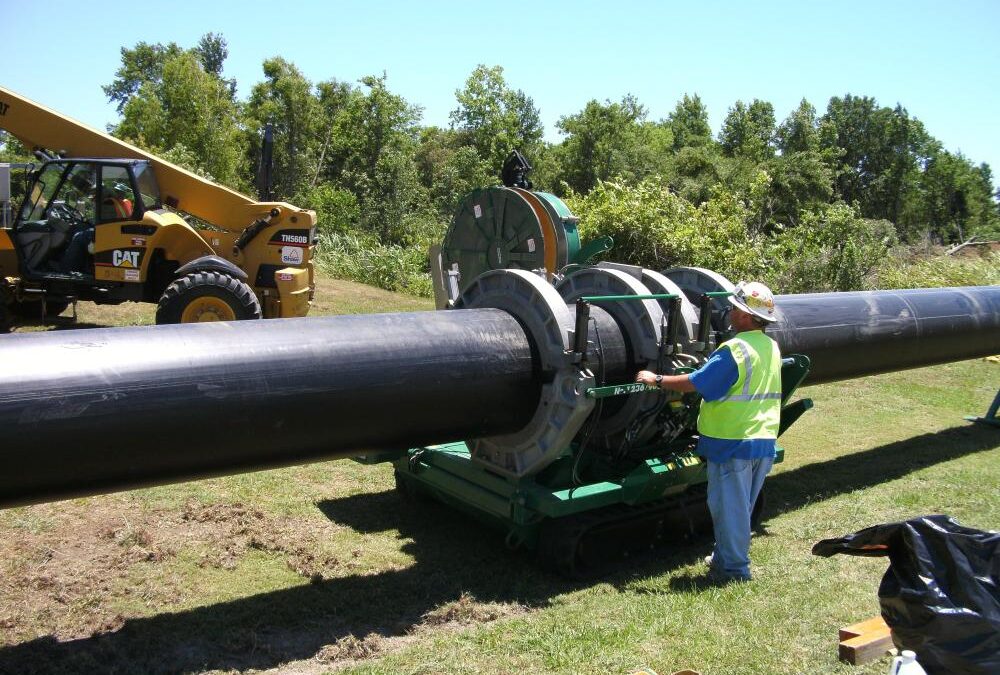
A butt fusion machine is used to heat the ends of the pipes. This machine features heating plates that are in direct contact with the pipe ends, allowing them to reach the required fusion temperature.

3. Fusion 

Once the pipe ends are heated to the appropriate temperature, they are quickly brought together, creating a melt zone. This molten material fuses together, forming a seamless connection as it cools down.

4. Cooling and Consolidation 

After fusion, the pipe and fitting are held in place while the material cools and consolidates, ensuring a strong and homogeneous joint.
cooling and consolidation

Butt Fusion vs. Other Types of Pipe Fusion

Butt fusion isn’t the only effective method of pipe fusion. See how it compares to other popular pipe fusion methods like saddle fusion, socket fusion, and electrofusion.

Butt Fusion

Method: Involves joining two pipe ends by heating them to their melting point and then pressing them together. The melted material fuses, creating a seamless, end-to-end connection.

Advantages:

  • Produces leak-proof and long-lasting joints.
  • Suitable for a wide range of thermoplastic materials.
  • No need for additional adhesives or solvents.
  • Minimal maintenance is required.
  • Consistent and repeatable results.
Saddle Fusion

Method: Used to create branch connections by attaching a saddle-shaped fitting to an existing pipe. The saddle is heated, and pressure is applied to weld it to the main pipe.

Advantages:

  • Ideal for creating branch connections in a pipeline.
  • Requires minimal excavation, making it suitable for repairs and retrofits.
  • Relatively quick and simple process.
Socket Fusion

Method: Involves heating the outside of a pipe and the inside of a fitting, then inserting the pipe into the fitting, creating a secure joint when the material cools.

Advantages:

  • Suitable for small-diameter pipes and fittings.
  • No need for external clamps.
  • Creates joints that are resistant to pull-out forces.
Electrofusion

Method: Involves connecting two ends by sliding and coupler over the ends. The coupler has coils inside that are heated up to make a leak-free pressure rate weld.

Advantages:

  • Provides a strong, continuous connection.
  • Suitable for creating complex shapes and custom profiles.
  • Great for tight area repairs

When to Use Butt Fusion

Butt fusion is commonly used in various industries and applications, including:

  • Water and Gas Distribution: Butt fusion is the preferred method for joining pipes in water and gas distribution systems. It provides leak-free connections that are critical for the safe and efficient transport of these essential utilities.
  • Wastewater Management: In sewage and wastewater systems, where pipes are subjected to a variety of harsh chemicals and environmental conditions, butt fusion is the go-to method for reliable, long-lasting connections.
  • Industrial Pipelines: Industries such as chemical processing, mining, and agriculture often rely on butt fusion to join pipes that transport a wide range of materials, from corrosive chemicals to irrigation water.
  • Geothermal and HVAC Systems: Butt fusion is used to connect pipes in geothermal heating and cooling systems, ensuring efficient heat transfer and long-term durability.

Benefits of Butt Fusion

Butt fusion offers several advantages that make it a preferred choice for many applications:

  • Leak-Proof Joints: The resulting joints are seamless and completely leak-proof, ensuring the integrity of the fluid or gas being transported.
  • Longevity: Butt fusion joints are highly durable and can withstand the test of time, making them ideal for applications where longevity is crucial.
  • No Need for Solvents or Adhesives: Unlike other joining methods, butt fusion does not require the use of solvents or adhesives, reducing the risk of chemical contamination.
  • Low Maintenance: Once a butt fusion joint is made, it requires minimal maintenance, reducing operational costs.
  • Consistency: Butt fusion offers a high degree of repeatability and consistency in joint quality. 

Contact US FUSION’s Pipe Fusion Experts

Butt fusion is a versatile and reliable welding technique used for joining thermoplastic pipes and fittings in a wide range of industries. Its ability to create leak-free, long-lasting connections makes it an essential process for ensuring the efficient and safe transport of water, gas, chemicals, and more. 

If your project requires any type of on-site plastic fusion work, the US FUSION team is here to serve you. Our technicians are ASME Section IX certified and have nearly four decades of HDPE and welded plastic pipe fusion experience. Get in touch to learn more about how we can help, or request a free quote online here.
What’s the Best Pipe for Underground Water Supply?

What’s the Best Pipe for Underground Water Supply?

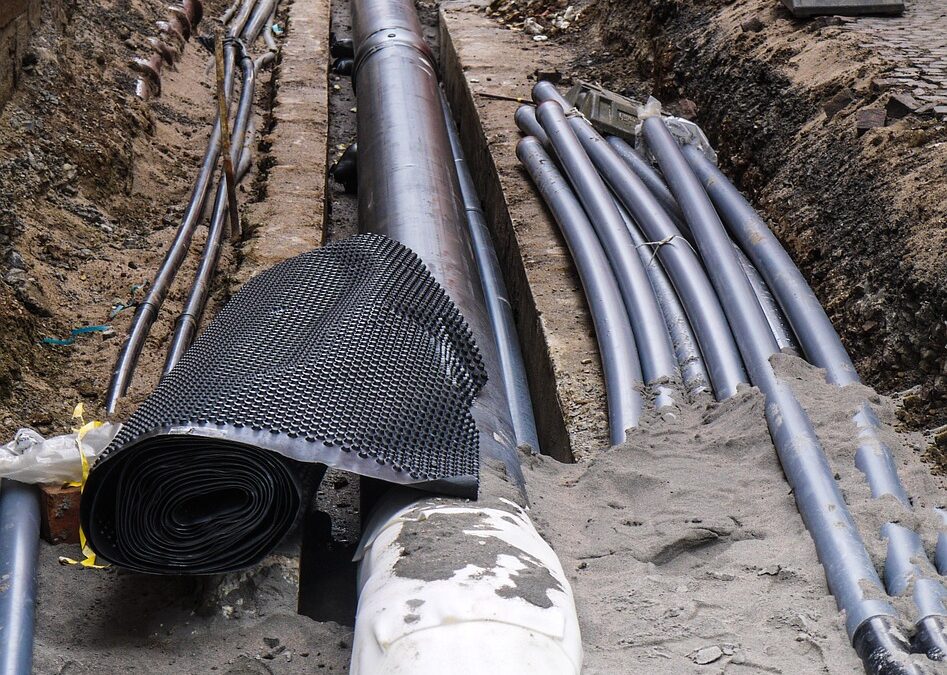
One of the most prevalent — and important — uses of piping in our construction and infrastructure is for water supply, an application that requires a piping material that can perform in hot and cold temperatures, resists corrosion and leaking, and is free of harmful chemicals. For underground water supply lines, add to these requirements the ability to hold up in a variety of soil and environmental conditions and to be installed in a method suitable to the location.

Types of Underground Water Supply Pipes

The right type of pipe for underground water transport is dependent on factors such as the installation location, local regulations, and more—the answer is extremely context-dependent and should be based on the requirements of the specific application. 

Below, we run through some of the most common underground water pipe materials and their performance characteristics, drawbacks, and benefits for water supply uses.

1. Copper

Copper piping has been used in plumbing and water supply applications for years because it resists corrosion and protects water quality. Copper pipes can withstand high temperatures and water pressures, as well as be recycled. However, copper is extremely rigid, as well as higher priced than other water supply piping options, making it unsuitable for some applications.

2. Cast Iron

Cast iron piping is still in use in many water transport systems, but it’s generally a legacy part of the system and is rarely used in new construction. Despite the heat resistance and noise-dampening properties of cast iron, it’s not as suitable for underground water supply as newer materials. Cast iron is not resistant to corrosion, which can compromise the quality of the water supply and damage the integrity of the piping, leading to leaks and breaks. 

3. Galvanized Steel / Lead

Like cast iron, galvanized steel and lead pipe have been used historically for water transport. These materials are problematic for use with water due to their susceptibility to corrosion. When these types of pipes corrode, hazardous materials can enter the water supply and cause severe threats to human health, as made evident by the Flint water crisis

4. PVC

Polyvinyl chloride (PVC) is one of the most common types of piping, and it can be used for underground water supply in some applications. PVC is generally inexpensive and is a reliable, durable material. It is rigid, resists corrosion, and can have a lifespan of over 100 years.

PVC piping is joined via either threaded fittings or solvent welding (a gluing process). Fusible PVC® is a newcomer to the market and is joined through a specialized thermal butt fusion process, similar to that used for HDPE pipe.

The use of PVC for underground transport of potable water is restricted in some areas, due to concerns about the potential for chemicals to leach into the water. The material currently meets the American Water Works Association (AWWA) requirements for use with potable water, but certain states relegate its use to non-potable applications, such as underground irrigation.

5. HDPE

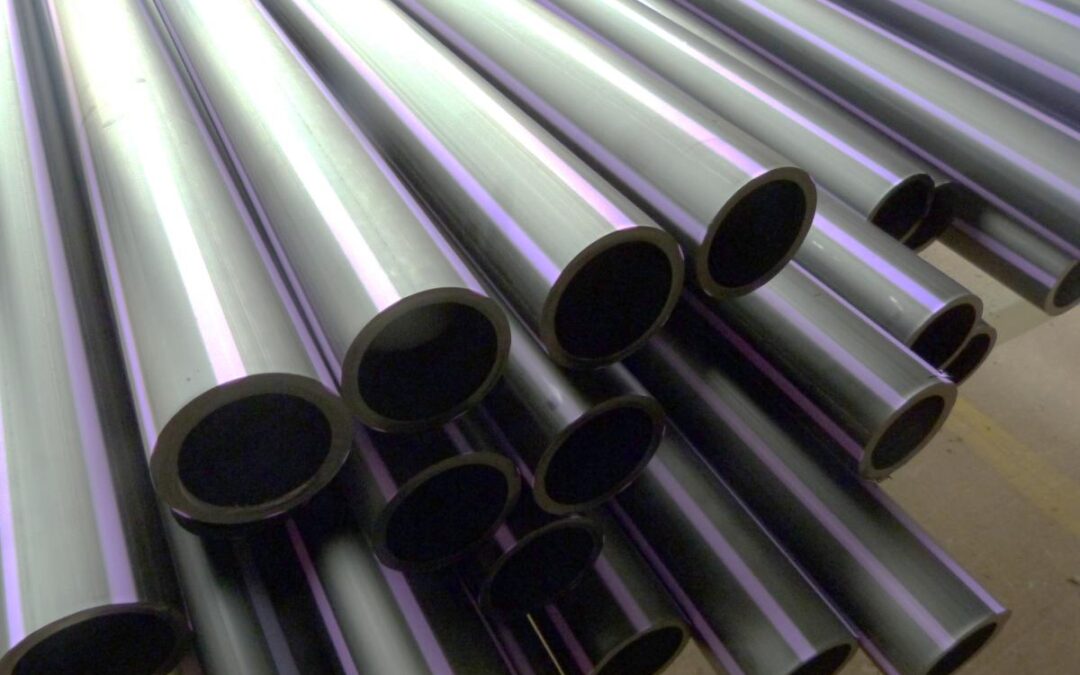
High-density polyethylene (HDPE) pipe is a good choice for underground water lines because of how the pipe is connected. Rather than using joints, which can leak, or glues and cement, which can degrade over time, HDPE pipe is connected via plastic fusion. In thermal butt fusion, a common fusion method, the pipe is aligned end to end and then high heat is applied, melting the pipes together seamlessly. HDPE is extremely durable, with a lifespan of upwards of 100 years.

Like other non-metal pipe materials, it is resistant to corrosion; unlike other materials, HDPE is flexible. This is beneficial as it can increase resistance to shifting soils due to environmental conditions or even events such as earthquakes. This flexibility also allows for trenchless installation methods

HDPE can be installed using any of a variety of methods, not just drop burial or open trench installation. This makes it more versatile than most other pipe materials suitable for underground water supply. HDPE piping can be installed via sliplining or horizontal directional drilling, which may in some cases be the best, most cost-effective installation method.

Contact the HDPE Pipe Specialists at US FUSION

For your underground water supply needs, contact US Fusion. Our HDPE pipe offerings are suitable for underground water transport, offering leak-free performance, corrosion resistance, and a long lifespan. We’re able to install HDPE pipe using a variety of fusion techniques, including butt fusion, saddle fusion, socket fusion, and electrofusion, and can employ trenchless and trench installation methods. 

De-Beading the Interior of HDPE Pipes: What is it, and Why is it Important?

De-Beading the Interior of HDPE Pipes: What is it, and Why is it Important?

As experts in on-site HDPE pipe fusion, we know what it takes to install a pipe system that functions effectively, efficiently, and safely. One part of the process that often slips people’s minds is de-beading. But remembering to complete this step is critical if you want your pipe system to operate at maximum capacity.

Here’s what you need to know about de-beading HDPE pipes.

How Do HDPE Pipe Beads Form?

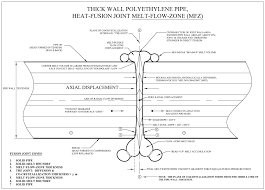
HDPE pipe beads form during the butt fusion process. Sections of HDPE pipe must be heated to fuse them together. When they’re heated, the HDPE material starts to melt — and when force is applied to fuse the pipes together, circular melt beads form as excess material is pushed inward or outward.

That excess material then forms to make HDPE pipe beads, which will form on both the outside and inside of the pipe. Here’s a good diagram from the Plastics Pipe Institute of what those HDPE pipe beads might look like:

pipe bead diagram

Butt fusion is one method of fusing two sections of HDPE pipe together. It employs a fusion machine to hold two pieces of pipe while the ends are heated with a heater plate. Once heated, force is used to firmly push the two ends together where they are left to connect, cool, and seal.

Butt fusion is the most common and best method of fusing two straight sections of pipe together. The fused joints often end up being stronger than the pipe itself. However, the process can create beads on the inside and outside of the fused joints that can be removed to achieve peak pipe performance in certain applications.

Why Is It Important to Remove HDPE Pipe Beads?

Not every application requires removal of HDPE pipe beads during butt fusion, but it is necessary in some circumstances (e.g. conduit lines). Here’s why.

Internal HDPE pipe beads can create blockages within the pipe. These blockages can restrict flow, trap bacteria and biofilms, and result in pipe wear due to turbulent flow. By removing internal beads, you can eliminate those blockages, reduce friction, and allow for better, healthier flow throughout the pipe.

How to De-Bead HDPE Pipes

HDPE pipe beads can be removed using special bead remover tools. Also referred to as “de-beaders,” these HDPE pipe installation tools help remove the beads on the inside or outside of the pipe.

  • An internal pipe de-beader is a longer, pole-shaped tool that can reach up the length of the pipe. It uses a drive handle and cutter head to reach in and cut the bead away from the interior. Standard internal de-beaders are ideal for pipe diameters between 3.5-17.7in, but larger ones are available to suit pipe diameters up to 31.5in.
  • An external pipe de-beader is a type of run-around planing tool. It digs into the bead and uses a ratchet motion to smoothly cut it off. These tools are also frequently used in sliplining and casing processes to repair leaks.

Either way, HDPE pipe de-beading is a relatively quick process if you have the right team and equipment. In most cases, contractors include it in their pipe installation and fusion services.

For Expert HDPE Pipe Installation Services, Contact US FUSION.

If you’re in need of HDPE pipe fusion and bead removal, trust US FUSION. With ASME Section IX-certified fusion technicians and a fleet of fusion machines in stock, we’re ready to provide experienced, reliable, and safe pipe fusion services for a variety of applications. Our processes meet the highest industry standards and environmental regulations, allowing us to ensure a job well done each and every time.

For more information, give us a call at (225) 647-2747 or contact us online.

HDPE Pipe vs. PVC for Specialty Construction Applications

HDPE Pipe vs. PVC for Specialty Construction Applications

In the specialty construction space, there’s a lot of talk about the best materials for a job, and for good reason. No matter your industry or use case, performance matters, and selecting the right solution for your specific application can make or break your construction project. This conversation is particularly important when it comes to piping, in part because you may not know the difference between the two key players: HDPE and PVC.

But HDPE and PVC pipe have some important differences when it comes to performance, installation methods, and applications. Keep reading to learn more about the differences between PVC and HDPE pipe and the implications for specialty construction.

HDPE vs. PVC Pipe: Material Differences

HDPE pipe is made of high-density polyethylene, a thermoplastic polymer that’s malleable at high temperatures. It is created by linking ethylene molecules, which are derived from natural gas.

HDPE has a high strength-to-density ratio and is corrosion-resistant, making it an extremely versatile and cost-effective material. In fact, HDPE is the most widely used type of plastic today.

PVC pipe is made of vinyl, not plastic. Specifically, it’s made of polyvinyl chloride, which is created by reacting monomer molecules of vinyl chloride to form a polymer, then adding plasticizing substances to increase the flexibility and other performance characteristics.

PVC has a high level of hardness and is resistant to corrosion. Depending on the formulation of the PVC, it can have better thermal performance than HDPE. PVC pipe is generally rigid, whereas HDPE has greater flexibility.

Joining Methods for HDPE and PVC Pipe

The methods of joining sections of pipe differ for PVC and HDPE.

PVC pipe, being rigid, is generally joined using solvent cements. These cements glue the pieces of pipe together by melting the adjoining surfaces of the pipe to each other. A particular benefit of this method of pipe joining is that it can be performed underwater.

A specific type of PVC, Fusible PVC®, can be joined with a specialized thermal butt fusion technology. This gives it an advantage over other types of PVC, especially in installation environments that are more difficult to work in. It also offers more durable performance and extended lifespans.

HDPE pipe is joined using plastic fusion, wherein the plastic of each pipe being joined is melted together under extreme heat. This results in seamless, leak-free joints between pipes.

Installation Methods for HDPE and PVC Pipe

PVC pipe can only be installed using open trench or drop burial methods. Additionally, it must be carefully installed to ensure that the pipe does not crack longitudinally or fail due to overbelling—a condition that occurs when a receiving pipe is not properly sized or fitted to the adjoining pipe, resulting in pipe bursting or breaking or leaking at the joint.

Fusible PVC® is the exception. Because of its unique thermal butt fusion joining technology, it’s built for streamlined, trenchless installations using horizontal directional drilling or sliplining.

When it comes to installation methods, HDPE pipe outperforms PVC pipe because it is more versatile. HDPE pipe can be installed via drop burial or open trench installation, but it can also be installed using horizontal directional drilling or sliplining. Depending on the application, these methods can be more time- or cost-effective.

Durability and Lifespan: Which Material Lasts Longer?

According to research by the Plastic Pipe Institute, HDPE pipe can exceed the conservative 50-year life expectancy generally assigned to it and can have a lifespan of over 100 years. A recent study has also found that PVC pipe can have a projected lifespan of 100 years, making both extremely long-lasting pipe materials.

HDPE, however, is most often the more durable material. Due to the flexibility of the material and the leak-free fusion joints, HDPE is better able to withstand impact, stress, and weather than its more rigid counterpart. PVC has potential, but only Fusible PVC® can truly compete with HDPE.

Applications

HDPE and PVC piping have many overlapping uses, as well as some uses specific to each type of pipe, due to their differing performance characteristics.

Applications for HDPE and PVC Pipe
HDPE Pipe PVC Pipe

Water mains

Gas mains

Sewage

Stormwater and drainage

Irrigation

Slurry transfer

Electrical and communications conduit

Mining

Firewater

Ocean cleanup

Outfall Lines

Brine Lines

Process Chemicals

Water mains

Household plumbing

Sewage

Stormwater and drainage

Irrigation

Chemicals

Exhaust and fumes

Underwater piping

HDPE vs. PVC for Specialty Construction

For specialty construction, HDPE pipe is the right choice for most applications. There are some occasions where PVC, especially Fusible PVC®, is best, but HDPE ultimately reigns champ. It’s a durable, long-lasting, and flexible material that balances performance considerations with cost-effectiveness.

For most specialty construction use cases, the heat tolerance of HDPE pipe is perfectly adequate to the application, and the added cost and time savings from installation via sliplining or other innovative methods is a serious benefit.

Both HDPE pipe and PVC offer a flexible, durable, cost-effective solution for a variety of specialty construction applications. If you’re hoping to implement a piping solution in your next project, contact US FUSION. We have a complete line of products, in various sizes and configurations, so you can get the results you need.

How Long Does HDPE Pipe Last? And Other Frequently Asked Questions

How Long Does HDPE Pipe Last? And Other Frequently Asked Questions

In the world of piping, HDPE pipe is a relatively new addition. While it’s been around for years, some of the older players in the game like copper and cast iron have been around for much longer. You’re likely familiar with the more traditional pipe materials but may still have questions about HDPE pipe.

What is HDPE pipe? How long does it last? What are its applications? Keep reading for our answers to all your HDPE pipe questions.

What does HDPE stand for?

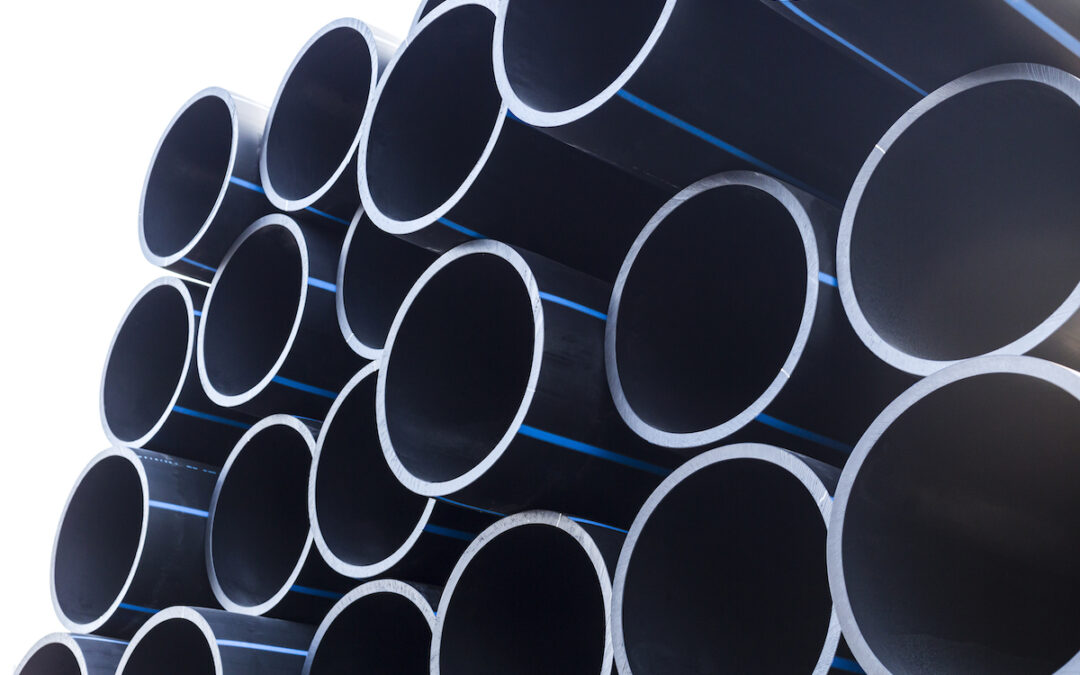
HDPE is an acronym for high-density polyethylene. High-density polyethylene is a polymer (a substance made of large molecules) that is thermoplastic, which means that it is malleable or moldable at high temperatures. HDPE is useful as a material because it is corrosion-resistant and has a high strength-to-density ratio.

HDPE is used in a variety of applications, not just in piping. Plastic bottles, house wrap, lawn furniture, plastic mailers, and even ropes and fabrics are made of HDPE. HDPE is cost-effective, making it desirable for a multitude of uses from playground equipment to fuel tanks.

What is HDPE pipe?

HDPE pipe is flexible, corrosion-resistant plastic pipe. It is generally lighter in weight and more cost-effective than metal pipe. HDPE pipe is joined by welding or fusing the plastic pipe sections together at heat, without jointing chemicals, rubber seals, anchors, or thrust restraint blocks.

Plastic pipe is impact resistant and is not susceptible to the same environmental stressors as ferrous pipe materials. It also has a high flow capacity and is resistant to many chemicals. In addition, its low thermal conductivity cuts down on the need to insulate HDPE pipe, as it maintains more stable fluid temperatures.

How is HDPE pipe manufactured?

HDPE pipe is manufactured by extrusion. The material is heated, then pushed through a mold that shapes the material into a length of pipe at the desired diameter. It is then cooled in stages by spraying the pipe with water or submerging it in water. HDPE generally contains carbon black, which provides it with UV resistance.

How is HDPE pipe installed?

HDPE pipe can be installed using standard pipelaying practices, as well as sliplining, horizontal directional drilling, and other cost-saving methods. HDPE pipe works well for trenchless installation.

What is HDPE pipe used for?

HDPE pipe is used in myriad applications, which include, but are not limited to:

  • Water mains
  • Sewer mains
  • Stormwater drainage systems
  • Irrigation
  • Oil and gas pipelines
  • Mining
  • Firewater lines
  • Electrical conduit
  • Telecommunications conduit
  • Agriculture
  • Compressed air
  • Chemical manufacture and transport
  • Food manufacture and transport
  • Ground-source geothermal systems
  • Fertilizer
  • Desalination plants
  • Paper and pulp manufacture
  • Hazardous materials
  • Ocean cleanup
  • Brine pipelines

How long does HDPE pipe last?

The typical benchmark for HDPE life expectancy is 50 years; however, per the Plastics Pipe Institute, HDPE pipe used in municipal potable water systems can have a lifespan of over 100 years. When compared with other traditional piping materials copper (40-75 year lifespan), cast iron (50-75 years), and galvanized steel (30-50 years), HDPE pipe demonstrates better longevity.

What temperatures can HDPE pipe withstand?

HDPE pipe can operate in temperatures ranging from -220° F to 140°F. Of pipe materials, HDPE does not have the highest temperature resistance, and it does have relatively high thermal expansion. However, for most applications, the temperature range that HDPE pipe can withstand is more than adequate.

What’s the difference between HDPE and PVC pipe?

While both HDPE and PVC are plastic pipes that are lightweight and resistant to chemicals and corrosion, there are a few important differences. The first is that while HDPE pipe is made of high-density polyethylene, which is derived from petroleum, PVC pipe is made of a vinyl, polyvinyl chloride. This results in different performance characteristics.

PVC pipe is generally stiffer than HDPE, and it is joined with sealants and not heat fusion. PVC also has better thermal performance, expanding significantly less..

HDPE, however, outperforms PVC for certain applications. PVC can only be installed via open trench or drop burial methods, whereas HDPE can utilize horizontal directional drilling, sliplining, and other methods. HDPE piping boasts leak-free joints, unlike PVC, and is generally more durable and suited to a greater range of uses.

Is HDPE pipe safe for drinking water?

Absolutely. HDPE pipe is water and food-safe and is used extensively in drinking water and food manufacturing and transport applications. NSF, an organization that develops public health and safety standards for drinking water, has debunked study results that suggest that HDPE and similar plastic pipe is hazardous for drinking water applications.

At US FUSION, we do HDPE piping like nobody else in the industry. With decades of experience, high-quality materials, and complete solutions for every situation, we’re your trusted source for pipe installation, fusion, and repair. Reach out to our team to learn more about our services.

Types of HDPE Pipe Fusion

Types of HDPE Pipe Fusion

HDPE piping provides durable, long-lasting options for many piping applications. Highly customizable, HDPE piping can be applied using various pipe sizes and fusion techniques. These fusion techniques make HDPE piping unique, allowing long pipe stretches to connect and maneuver through complex spaces. US FUSION provides tailored solutions to meet your needs through HDPE pipe fusion.

What Is Pipe Fusion?

In most piping applications, a single section of HDPE pipe will not get the job done. When multiple pieces of pipe are needed, HDPE pipe fusion comes in. While there are many types of HDPE pipe fusion, each involves heating the pipe and applying pressure to fuse two pieces together. In doing so, HDPE pipe fusion ensures long stretches of pipe are securely fused, resulting in a continuous, sealed connection.

At US FUSION, our on-site plastic fusion team is highly skilled in HDPE pipe fusion methods. Whether your piping is underground or exposed, we focus on safety for both our crew and for the environment. We’ll ensure your pipe connections are strong and sealed properly, keeping unwanted elements out of the environment — all while meeting the highest industry standards and environmental regulations.

4 Types of HDPE Pipe Fusion

Not sure what fusion method is needed for your project? We’ve got you covered. Below we’ll break down HDPE pipe fusion and application methods.

Butt Fusion

Butt fusion is used when two straight pieces of pipe need to be fused together. Butt fusion is the most common and best pipe fusion method. In this method, a fusion machine holds two pieces of pipe while the ends are heated with a heater plate. Once heated, force is used to push the two ends together where they are left to cool. After the cooling process is complete, the two pieces of pipe are firmly connected and sealed. The butt fusion weld will then be stronger than the pipe.

Electrofusion

Electrofusion is used in tight spaces and with fittings where butt fusion cannot be used. Electrofusion couplers are needed to make this fusion connection. In this method, electrofusion couplers have copper coils inside the coupler that are then heated up to fuse to the pipe together to create a tight seal.

Socket Fusion

When flexibility is vital, socket fusion is used. Socket fusion involves heating the outside of a pipe while simultaneously heating the end of a socket. Once each piece is heated to the ideal temperature, the socket is then inserted into the pipe. As the two pieces cool, the connection is sealed, and flexibility remains.

Saddle Fusion

Saddle fusion connects the concave portion of a pipe to an inverse saddle fitting. To get a precise connection, both the concave portion of the pipe and the saddle fitting are heated. Once heated, the two pieces are joined together using force, and the piping is then allowed to cool under pressure. This heat/pressure method creates a tight seal at a complex connection point.

Get Expert HDPE Pipe Fusion For Any Application

Think your application may require some type of HDPE pipe fusion? US FUSION can help! Our skilled builders, contractors, and craftsmen are capable of providing valuable services across a variety of industries — helping you keep your project and environment safe. Contact us today for more information.